How to Regrout Bathroom Tiles Without Re-tiling: A Step-by-Step Guide
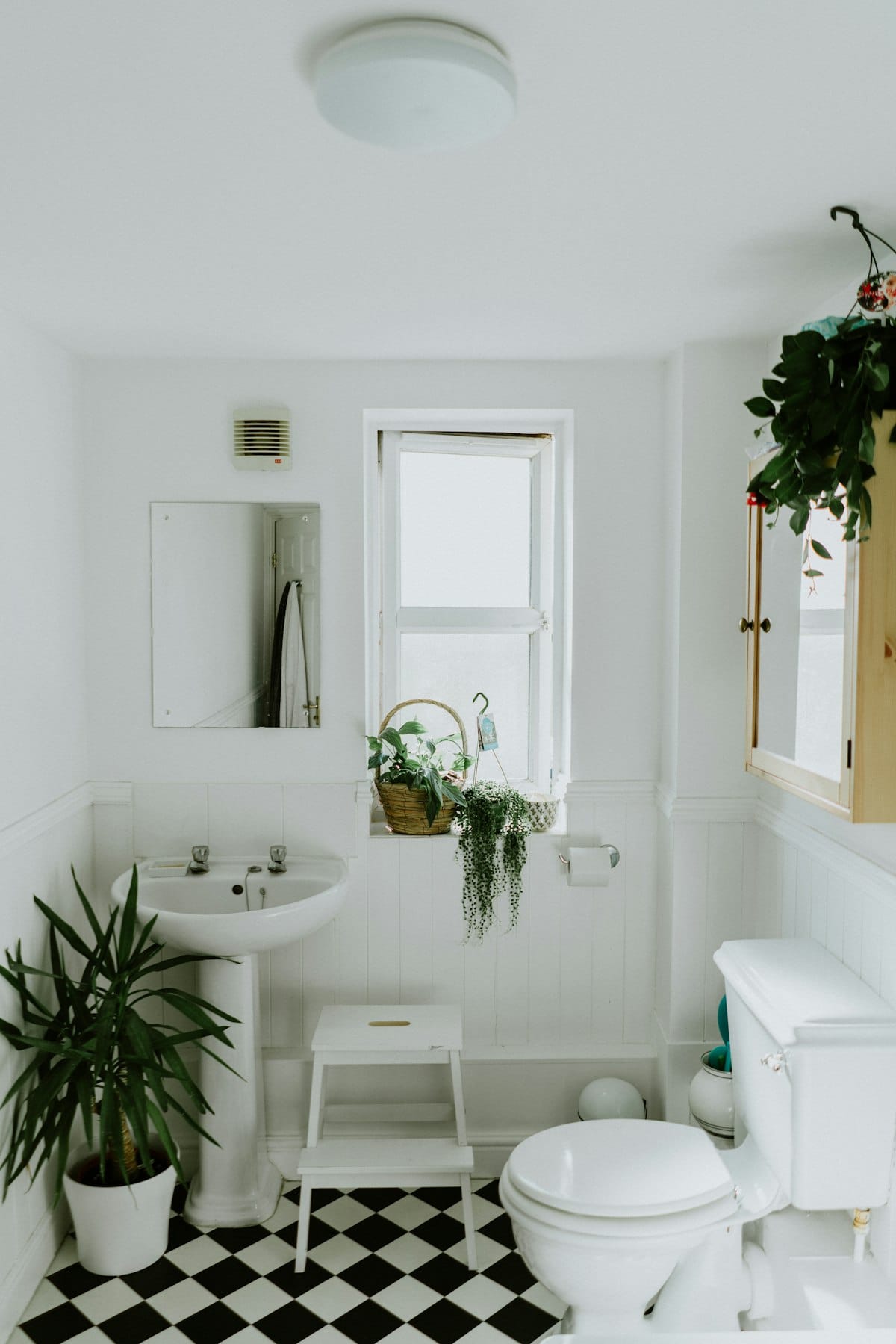
Discoloured, cracked or mouldy grout is one of the most common reasons UK homeowners consider a full bathroom refit — but in the majority of cases, regrouting is all that's needed. If the tiles themselves are sound and the adhesive bond is intact, regrouting can transform the look of a bathroom for a fraction of the cost of re-tiling, and it's a realistic weekend project for a competent DIYer.
Assessing Whether Regrouting Is the Right Solution
Regrouting makes sense when:
- Grout is stained or discoloured throughout (not just on the surface)
- Grout is cracked or crumbling in multiple areas
- Black mould has penetrated deeply into porous grout that cleaning won't shift
- The original grout colour is outdated and you want a fresh look
Regrouting won't help if the tiles themselves are cracked, if the adhesive bond has failed (tap tiles — a hollow sound indicates delamination), or if there's movement in the substrate. A tile that moves when pressed needs to be re-fixed before any surface work.
Tools and Materials
- Grout rake or oscillating multi-tool with grout removal attachment
- Grout float
- Sponges (several — they get destroyed during the job)
- Grout sealer (for porous or natural stone tiles)
- New grout (see type selection below)
- Tile trim or silicone sealant for internal corners and perimeter joints
- Masking tape
- Protective goggles and dust mask for removal phase
Choosing the Right Grout
The most important decision — and the one most commonly got wrong:
- Unsanded wall grout: For joints under 3mm wide (standard for wall tiles). Smooth texture, suitable for polished tiles. Brands: Mapei Ultracolor Plus, Weber GranQuartz — both available at Tile Depot or large Screwfix branches.
- Sanded floor grout: For joints over 3mm. The aggregate provides strength in wider joints. Don't use unsanded grout in wide joints — it cracks.
- Epoxy grout: Two-part system, completely waterproof and stain-proof. Much harder to work with (sets quickly, difficult to clean up) but lasts decades. Worth considering for shower floors and heavily used wet areas. Mapei Kerapoxy costs around £40–50 for a 2kg pack.
- Pre-mixed grout: Convenient but inferior performance to powder-mixed product. Avoid in wet areas.
For wet areas (shower enclosures, around the bath), all internal corners and the perimeter joint where tiles meet the bath or floor must be silicone, not grout. Grout in these positions will always crack due to differential movement. Use a bathroom silicone (Dow Corning or Evo-Stik Everflex in a colour to match your grout).
Removing the Old Grout
This is the most physically demanding part. An oscillating multi-tool (available from Screwfix for around £50–80, or hire for £25/day) with a grout removal blade makes this job vastly easier than a manual grout rake — the manual approach on a full bathroom can take a whole day.
- Work along each grout line, keeping the tool as central as possible. You're aiming to remove around 6–8mm depth of grout — enough for the new grout to have a proper key.
- Wear goggles and a dust mask: the process creates fine silica dust.
- For corners, use a manual grout rake or Stanley knife — power tools can crack tiles at edges.
- Vacuum out all loose material and wipe tile surfaces with a damp cloth.
Inspect every tile as you go. If you find any that move, re-fix them with flexible tile adhesive (such as BAL Flex One) before grouting. Allow the adhesive to cure for at least 24 hours.
Mixing and Applying New Grout
Mix powder grout to a thick paste consistency — it should hold its shape but spread without tearing. Too wet and it will shrink as it dries; too dry and it's difficult to work into the joints.
- Work in sections of about 1 square metre at a time.
- Apply grout with the float held at approximately 45° to the tiles, working it diagonally across the joints to pack them fully.
- Work the float diagonally in both directions to ensure the joints are fully packed with no voids.
- Use a damp sponge to remove excess from the tile faces. Wring the sponge out thoroughly — too much water will weaken the grout surface. Rinse the sponge frequently.
- As the grout begins to firm up (30–45 minutes depending on temperature), run a pointing tool or the edge of your finger along each joint to create a slightly concave profile. This is optional but gives a more professional result and sheds water better.
Finishing and Sealing
Leave the grout to cure for at least 24 hours before exposing to water; 48 hours is better for shower use. A white haze will develop on the tiles as the grout dries — buff this off with a dry cloth or scouring pad designed for tile cleaning.
Unglazed or natural stone tiles should be sealed before grouting to prevent staining. Standard glazed ceramic tiles don't need sealing. However, lighter-coloured grout in wet areas benefits from a grout sealer after curing — it significantly reduces water absorption and makes the grout easier to clean. Lithofin or HG grout sealer costs around £10–15 per bottle, enough for a typical bathroom.
Cost Comparison
- Regrouting materials only: £40–80 for an average bathroom
- Professional regrouting service: £200–400
- Full re-tiling (tiles + labour): £1,500–3,500+
Regrouting is genuinely transformative for the effort involved. In most cases, four to six hours of work produces a bathroom that looks freshly tiled for under £100.