Kitchen
How to Install a New Kitchen Tap: A Beginner-Friendly Guide
Replacing a kitchen tap is one of those jobs that sounds daunting but is entirely within reach for most homeowners. Here's how to do it properly.
Bathroom
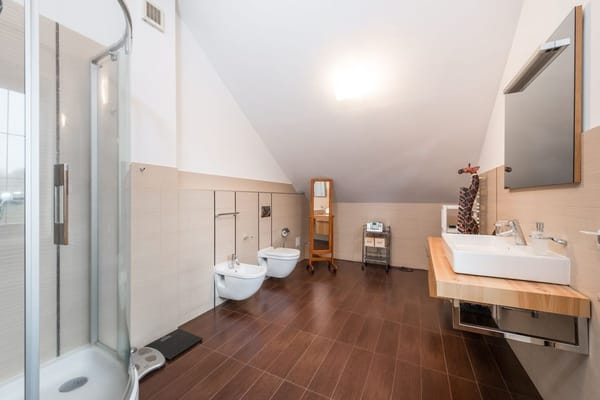
Crumbling grout turns a perfectly good bathroom into a damp, mouldy mess. Here is how to strip the old grout and lay fresh lines in under two days.
garden
Raised beds are the single most transformative improvement you can make to a kitchen garden. They drain better than flat ground in our wet UK climate, warm up earlier in spring, allow you to create the ideal soil conditions regardless of what's underneath, and are significantly easier to
block paving
Block paving a driveway or garden area is one of the most satisfying large-scale DIY projects you can undertake — and one of the most financially rewarding. A professional driveway installation typically costs £3,000–£8,000 depending on size and material; doing it yourself brings that down to £500–£2,
paint
Walk into any B&Q or Dulux decorator centre and you're faced with paint finishes ranging from flat matt to high gloss, with eggshell, silk and satin in between. For most people, the choice gets made by picking up a tin that looks roughly right — but the
draught proofing
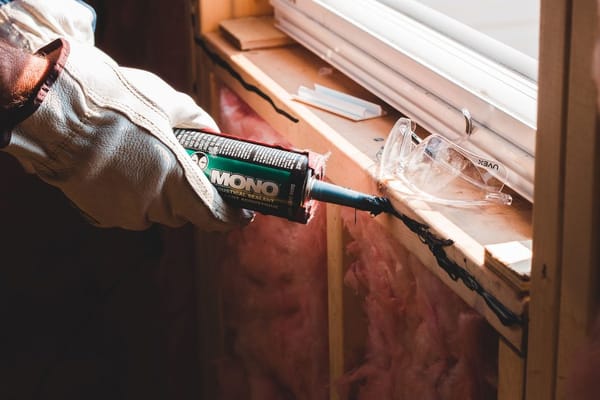
Draught-proofing is consistently ranked by the Energy Saving Trust as the most cost-effective home improvement you can make for reducing energy bills. Unlike insulation or double glazing — which require significant upfront investment — draught-proofing is cheap, can be done in a weekend, and typically pays back its cost within a single
wallpaper
The question of whether to paint over wallpaper or strip it first comes up in almost every decorating project in the UK, where Victorian and Edwardian terraces are peppered with layer upon layer of decades-old wallpaper. The truthful answer is: it depends. There are situations where painting over wallpaper works
fence repair
Storm damage to garden fences is one of the most common calls to UK tradespeople every winter. Between January gales, February fronts and the occasional summer storm, British fences take a battering year after year. The good news is that most storm damage is repairable rather than requiring a full
kitchen sink
Installing a new kitchen sink is one of those home improvement jobs that looks intimidating from the outside but is genuinely achievable for a confident beginner. Whether you're replacing a tired old stainless steel basin or fitting a brand-new ceramic butler sink as part of a kitchen renovation,
artex
Artex ceilings were once the height of domestic fashion. Through the 1960s, 1970s, and well into the 1980s, the swirled, stippled, or patterned textured coating was applied to ceilings across millions of UK homes as an alternative to plastering — it was quick, it hid imperfections, and it required no painting.
Reflections, stories, and ideas about home.
The smart home market has exploded in recent years, and UK homeowners are increasingly looking at connected technology not just for convenience but as a way to add value to their property. But the picture is nuanced. While some smart upgrades genuinely impress buyers and valuers, others are seen as
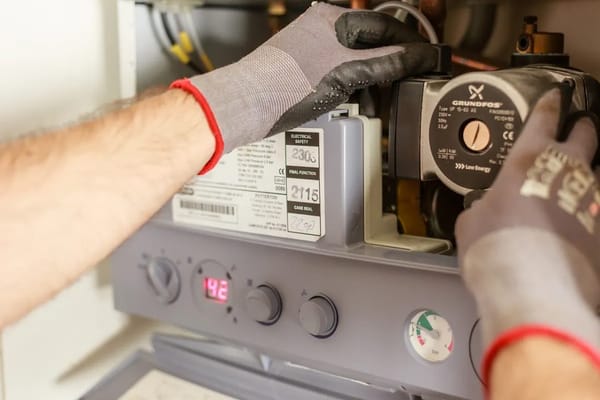
Adding an extra radiator to your home's central heating system is one of those jobs that sits on the boundary between DIY and trade work. It involves working with the plumbing system, understanding heating circuits, and making connections that need to be leak-free. But it is also genuinely
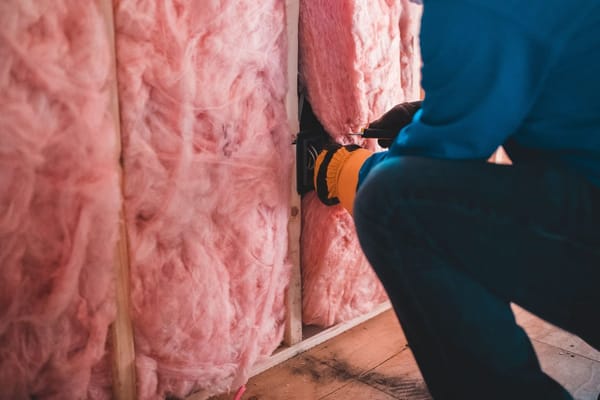
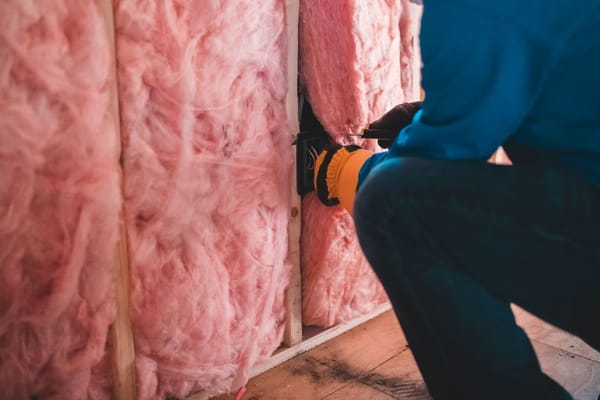
Cavity wall insulation is one of the most cost-effective ways to reduce heat loss from a UK home — in theory. The government's own figures suggest it can save a typical semi-detached house around £150–£250 per year on energy bills, and under the ECO4 scheme, many households can
A running toilet is one of those household problems that people tend to ignore because it seems minor. It is not. A toilet that runs continuously can waste anywhere from 200 to 400 litres of water per day — that is enough to fill a bath twice. Over a year, that
Home improvements are exciting — until you discover you needed approval that you never sought. Building regulations exist not to frustrate homeowners, but to ensure that construction work is structurally sound, safe, and energy-efficient. Yet the rules can be bewildering, with overlapping exemptions, grey areas, and the added confusion between planning
The wiring in most British homes built before the 1960s was never designed for the demands of modern life. When a Victorian terrace was built, electricity was a novelty rather than a utility; the wiring that was added later was typically rubber-insulated, runs through a consumer unit that would make
Tiling a bathroom yourself is one of those projects that strikes fear into the hearts of capable DIYers who've successfully plastered walls, laid floors, and installed kitchens. The fear is understandable — tiles are permanent, expensive, and highly visible. Get it wrong and the evidence is difficult to hide.
Original sash windows are one of the great assets of Victorian and Edwardian homes in Britain. They provide light, ventilation, and architectural character that no modern replacement window can replicate. And yet, left unattended, they're often the biggest source of draughts in a house — rattling in their frames,
Not every home improvement project requires a builder, a big budget, or a week off work. Some of the most effective improvements — the ones that make a house feel more finished, more comfortable, and genuinely worth more money — can be done on a Saturday afternoon with a trip to B&
If you're planning to extend your home, build a garden room, or convert your loft, one of the first questions you'll face is: do I need planning permission? The answer is almost always "it depends" — which isn't especially helpful when you'
There's a particular kind of frustration that comes with laying engineered hardwood flooring. You've spent good money on the boards, you've watched the YouTube tutorials, and then you kneel down and realise the subfloor isn't remotely level. It undulates. There are humps
Every year, thousands of British homeowners discover a damp patch on a wall and immediately reach for the phone to call a specialist. But before you part with £500 or more, it's worth understanding what you're actually dealing with. Damp proofing and waterproofing are two very