How to Replace Bathroom Sealant Without Calling a Plumber: A May 2026 Guide for British Homes
Black mould creeping along the bath edge? You don't need a plumber. Here is the slow, fussy, weekend-friendly way to strip old silicone and lay a clean new bead — including the two mistakes that ruin almost every first attempt.
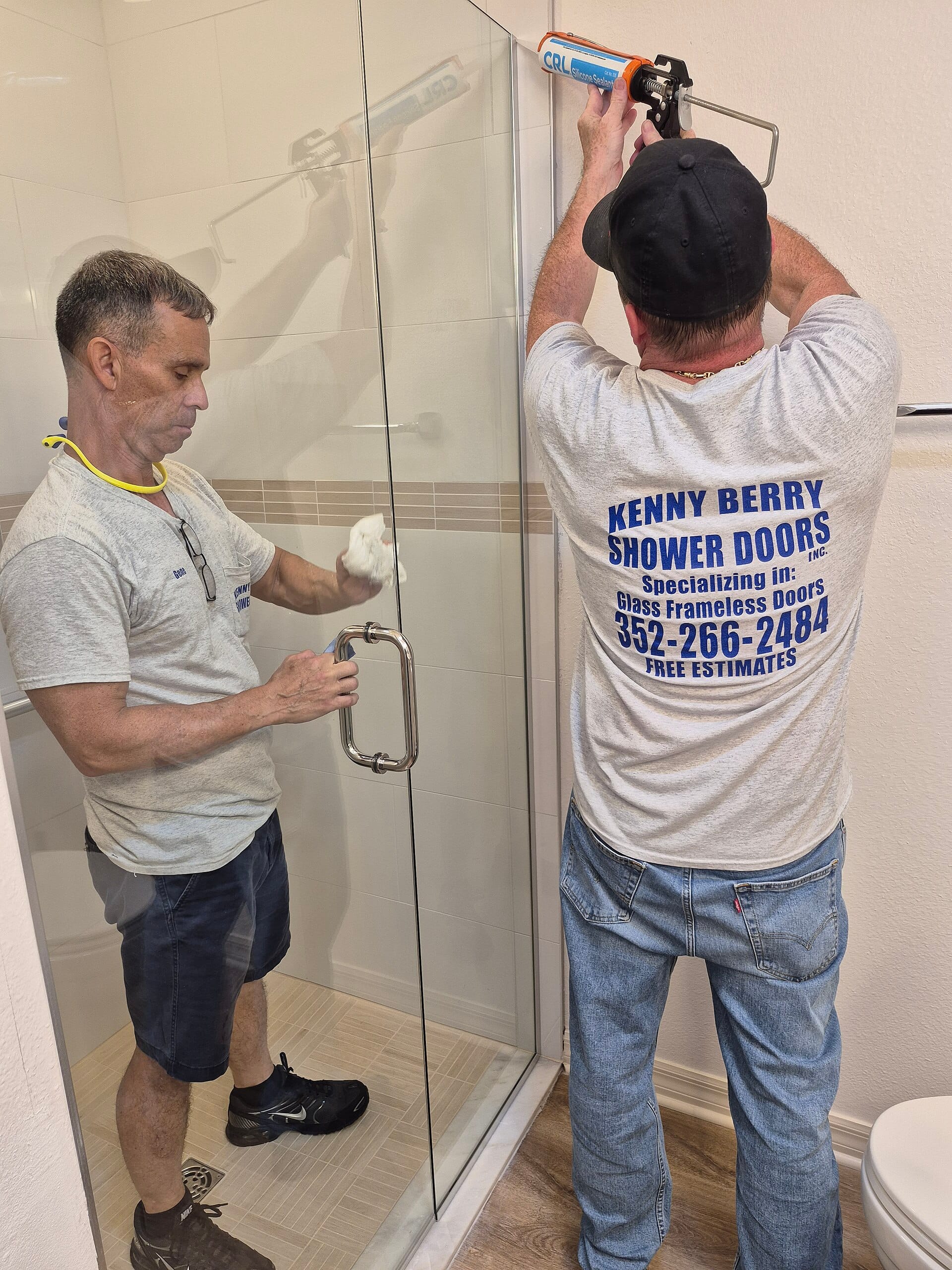
If the white strip running along the edge of your bath has gone black, brown or simply furry, the sealant is finished. It is not a cosmetic problem — once mould has worked its way under the silicone, water is already getting behind the bath panel, and any plumber who tells you it can be scrubbed clean is hoping you will book another visit when it comes back. Replacing a four-metre run of sealant is, in honest terms, a Saturday morning job for someone who has never done it. Here is how a careful first-timer should go about it.
Why old sealant has to come out, not get painted over
Silicone does not bond to silicone. You can clean off every black spot, scrub the surface with bleach, dry it for a week — the new bead will still peel within months because the cured layer underneath behaves like a release coat. There is one exception worth knowing about: a fresh skim of fungicidal silicone laid on top of fully sound, mould-free existing silicone within 48 hours of the original cure will sometimes hold. In every other situation, including yours, the old material has to come off down to the bare enamel and tile.
Tools, in plain English
- A Stanley knife with a fresh blade — not the rounded "trimming" blades, the proper pointed ones
- A plastic silicone-removal tool from any DIY shop (the green Cramer one is fine; the plastic blade matters because metal scratches enamel)
- A tub of mould-killing silicone remover gel (Everbuild or Soudal — left on for the time printed on the tin, usually two hours)
- Methylated spirits or isopropyl alcohol — to degrease the surface before the new bead goes on
- One 310 ml cartridge of sanitary-grade silicone (the label says "sanitary" or "anti-mould" — the cheaper general-purpose stuff goes black within a year)
- A skeleton gun (under £10), a smoothing tool or just a round-bowled teaspoon dipped in soapy water
- Masking tape, two rolls
The job, step by step
1. Strip the old bead
Score along the top edge with the Stanley knife at about a 30-degree angle, then along the bottom edge. The bead should now lift in long strips. If it tears into crumbs, you are pushing too hard — slow down. The plastic scraper handles the corners. Once 80% is off, smear silicone remover gel along the residue, leave it the full time on the tin, and wipe with kitchen roll. Repeat once. Do not skip this — any film of old silicone you leave behind will cause the new bead to peel.
2. Clean and dry — the step almost everyone rushes
Wipe the joint thoroughly with methylated spirits on a clean cloth. Then — and this is the part beginners skip — fill the bath with cold water before applying the new sealant. Tubs flex under load, and a bead applied on an empty tub will crack the first time someone takes a bath. Leave the water in until the silicone has fully cured (24 hours minimum).
3. Mask the edges
Run one strip of masking tape along the bath edge, leaving a gap of about 6 mm to the wall. Run a second strip along the tile, leaving the same gap. The two strips define the width of your new bead and — more importantly — give you a clean line to peel off afterwards.
4. Lay the bead
Cut the cartridge nozzle at a shallow angle, opening of about 5 mm. Pull, do not push, the gun along the joint in one continuous movement if you can manage it. Speed and pressure determine the bead — if it goes wavy, you are moving the gun too slowly. A single corner-to-corner pull is better than several short runs joined together.
5. Smooth and peel
Within five minutes of laying the bead, wet the smoothing tool (or teaspoon) with soapy water and run it along the joint in a single steady motion. Then — straight away, while the silicone is still wet — peel both strips of masking tape off, pulling each strip outwards and away from the joint. If you wait until the silicone has skinned, you will tear the bead.
The two mistakes that ruin almost every first attempt
The first is using ordinary silicone instead of sanitary-grade. General-purpose silicone has no fungicide and will be black again by next spring. Pay the extra £3 a tube. The second is skipping the water-in-the-bath step; the bead cracks within weeks and the entire job has to be done again. Almost every "the sealant is peeling" complaint I have read on British DIY forums for the past ten years comes down to one of these two.
When to give up and call someone
If the wall behind the bath is soft to the touch, or there is black staining on the plaster above the tile line, the problem is no longer the silicone — water has been getting through for some time and you have a plasterer's job, not a tube-of-silicone job. A new bead on top will hide the symptom for a few months while the wall continues to rot. In that case, the £200 you would save on the sealant work will become a £1,500 bill twelve months later. Strip out, dry out, fix the cause, then re-seal.
How long the new bead will last
Done properly with sanitary-grade silicone and a fully cured bead, you should get five to eight years of clean white sealant before any mould starts to show. If it goes black within two years, either the silicone was the wrong grade, the joint was not fully dry when you laid it, or the bathroom is poorly ventilated — a £40 extractor fan will do more for sealant lifespan than any premium silicone on the market.