How to Install a New Kitchen Tap: A Beginner-Friendly Guide
Replacing a kitchen tap is one of those jobs that sounds daunting but is entirely within reach for most homeowners. Here's how to do it properly.
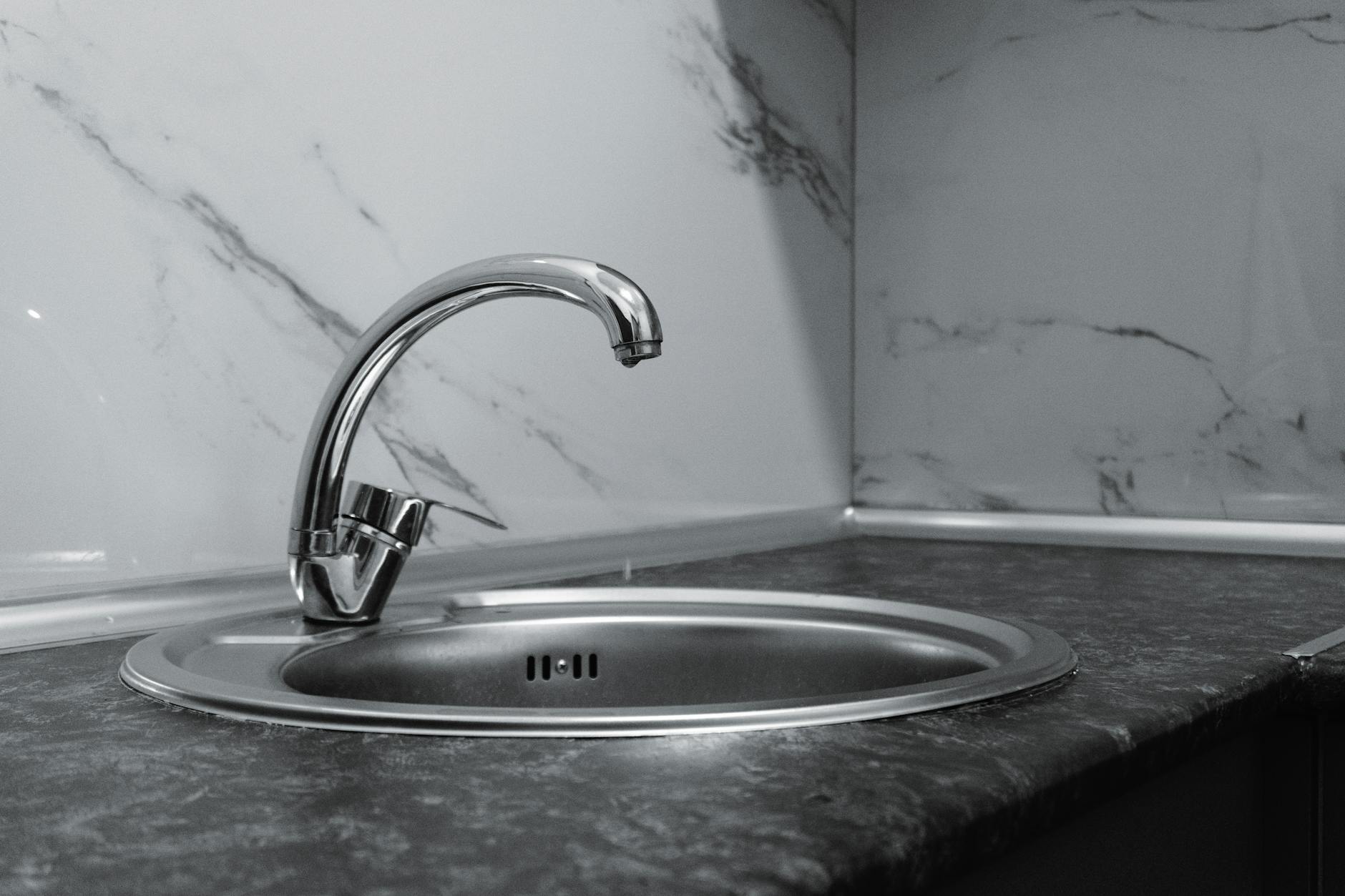
There comes a point in every kitchen's life when the tap starts to misbehave. Perhaps it drips relentlessly at three in the morning, or the spout has gone stiff, or the finish has corroded beyond any amount of scrubbing. Whatever the reason, fitting a new kitchen tap is a satisfying weekend job that saves you the £80–£150 a plumber would charge for what is, in truth, a fairly straightforward swap.
Before You Start: What You Need
Gather your tools and materials before crawling under the sink. There is nothing worse than lying on your back in a cupboard only to realise the adjustable spanner is in the shed.
- Adjustable spanner (or a basin wrench if space is tight)
- Bucket and old towels — there will be residual water
- PTFE tape — for sealing threaded connections
- Flat-head and Phillips screwdrivers
- Torch or head lamp — under-sink lighting is notoriously poor
- New tap — check whether your sink has one hole or two before purchasing
- Flexible tap connectors (if not included with the tap)
A decent monobloc mixer tap from B&Q or Screwfix runs between £40 and £120. Budget options around the £50 mark from brands like Bristan or Cooke & Lewis are perfectly reliable for everyday use. If you fancy something more premium, Grohe and Franke sit in the £80–£200 range.
Step 1: Turn Off the Water Supply
Find the isolation valves beneath the sink — they are small brass or chrome valves on the hot and cold supply pipes. Turn each one a quarter turn so the slot on the screw sits perpendicular to the pipe. If your kitchen lacks isolation valves (common in older properties), you will need to turn off the mains stopcock, usually found under the kitchen sink or in the airing cupboard.
Open the old tap to release any remaining pressure, then place the bucket underneath the connections.
Step 2: Disconnect the Old Tap
Under-sink work is awkward — there is no getting around it. Use the adjustable spanner to loosen the nuts connecting the flexible hoses to the isolation valves. Have your towels ready; even after draining, water collects in the hoses.
Next, locate the back-nut that holds the tap to the sink. This large nut sits on the underside of the worktop or sink deck. A basin wrench makes this far easier, especially in tight spaces where a standard spanner cannot get purchase. Turn anticlockwise to loosen, then lift the old tap out from above.
Clean the area around the tap hole thoroughly. Limescale, old sealant, and grime build up over years and need to come off before the new tap goes in.
Step 3: Prepare the New Tap
Unbox the new tap and check all components are present. Most monobloc mixers come with:
- The tap body
- A rubber gasket or O-ring (sits between tap base and sink)
- A horseshoe bracket and back-nut for securing from below
- Flexible hoses (often pre-attached)
If the hoses are not pre-fitted, screw them into the base of the tap hand-tight, then give them an extra quarter turn with a spanner. Wrap PTFE tape around any threaded connections — three to five wraps in a clockwise direction will do.
Step 4: Fit the New Tap
Drop the tap's hoses through the sink hole from above. Ensure the rubber gasket sits between the tap base and the sink surface — this prevents water seeping underneath. From below, slide on the horseshoe bracket and thread the back-nut upwards. Hand-tighten first, then use your basin wrench to snug it firm. Do not over-tighten; you can crack ceramic sinks or deform thin stainless steel.
Connect the flexible hoses to the isolation valves. The hose marked in red (or with a longer connector) goes to the hot supply; blue to cold. Tighten the compression nuts firmly but, again, do not force them — the rubber washers inside do the sealing work.
Step 5: Test for Leaks
This is the moment of truth. Turn the isolation valves back on slowly — quarter turn so the slot aligns with the pipe. Run the tap and check every connection point underneath:
- Where the hoses meet the isolation valves
- Where the hoses screw into the tap body
- Around the base of the tap on the sink surface
If you spot a drip, turn off the water and re-tighten the offending connection by a quarter turn. If it persists, disconnect, check the washer, re-wrap with PTFE tape, and reconnect.
Run both hot and cold for a couple of minutes. Check under the sink one final time with a dry piece of kitchen roll — it reveals even the smallest seep that your eyes might miss.
Common Pitfalls and How to Dodge Them
Seized back-nuts
In hard water areas, the old back-nut can be welded in place by limescale. Spray WD-40 or a dedicated penetrating oil and leave it for 20 minutes before attempting removal. If it still will not budge, a basin wrench with a long handle gives considerably more leverage than a standard spanner.
Wrong hole count
Some sinks have a single hole for a monobloc mixer; others have two or three holes for separate hot and cold taps plus a spout. Measure your existing setup before buying. Blanking plates are available for unused holes, but it is tidier to match the tap to the sink.
Flexible hoses too short
Standard flexible connectors are around 300mm. If your isolation valves sit lower — common in deeper kitchen cabinets — you may need 500mm hoses. These cost under £10 at Screwfix or Wickes.
Cross-threading
Always start compression nuts by hand. If you feel resistance, stop, unscrew, and try again. Cross-threading damages the olive and will guarantee a leak.
When to Call a Professional
If you discover corroded or lead pipework while under the sink, stop and call a qualified plumber. Likewise, if the job involves altering the pipe runs or moving the tap position to a different part of the worktop, that moves beyond a simple swap and into territory where incorrect work could cause water damage.
For a straight like-for-like replacement, though, this is firmly in DIY territory. Set aside a Saturday morning, lay out your tools, and take your time. The satisfaction of running water from a tap you fitted yourself is well worth the hour or two of awkward cupboard gymnastics.