The Late-May DIY Reset: Five Jobs Worth Doing Before British Summer Catches You Out
Late May is the awkward gap between the spring planting rush and proper summer heat — and it's exactly the right week to tackle the five outdoor jobs most households put off until something actually goes wrong.
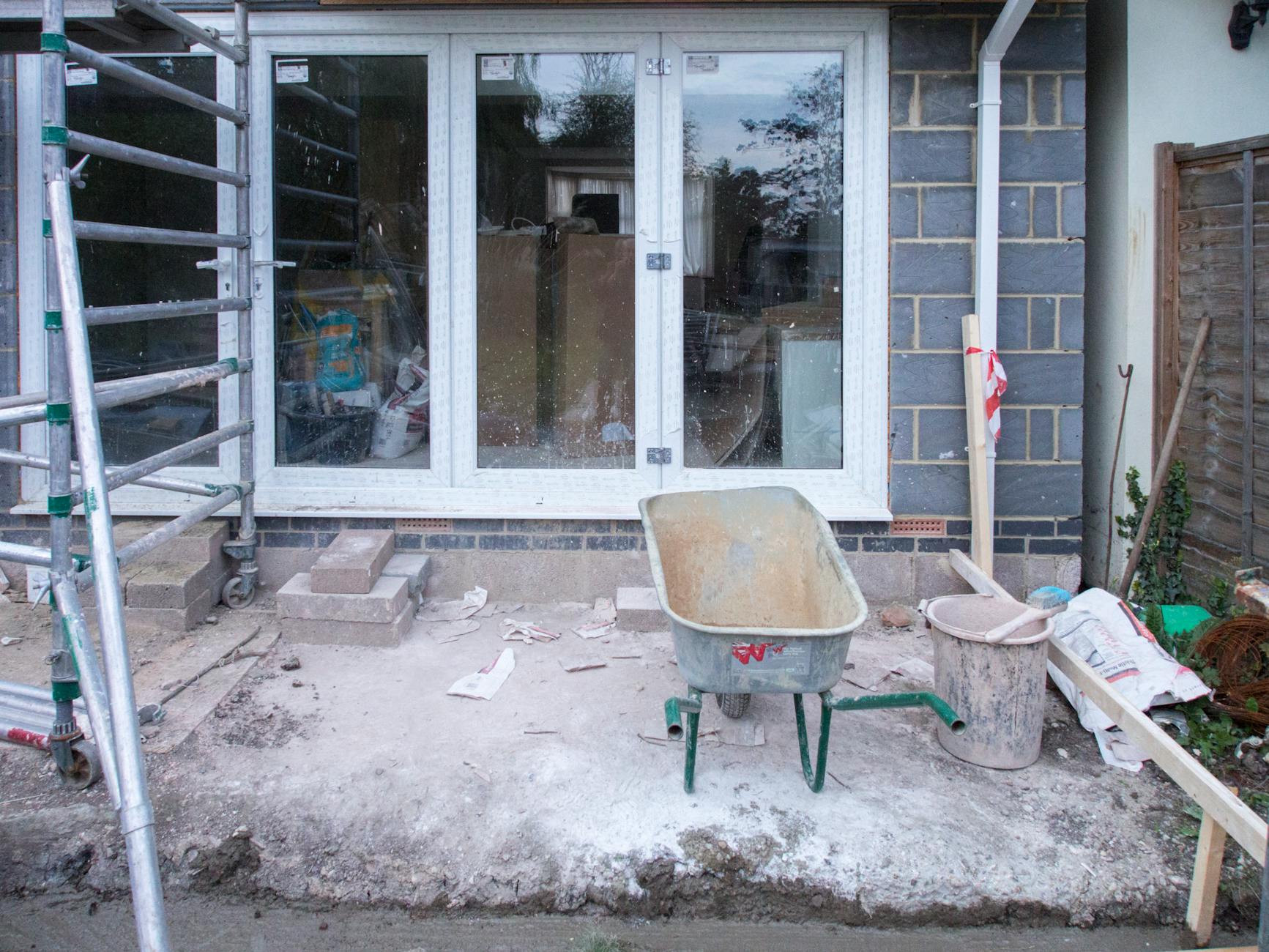
There's a strange dead zone between the bluebells finishing and the lawn properly racing away — most of us call it late May, and it's the only honest window in the year to catch up on the outdoor jobs you've been ignoring since Christmas. The weather's dry enough to paint. It's warm enough to leave a window open while you work. The kids are still in school. And critically, every tradesperson on the planet is about to vanish into the June wedding-and-loft-conversion rush.
Here are five jobs worth doing in the next fortnight. None of them is glamorous. All of them stop something expensive happening in the autumn.
1. Sort the gutters before the early-June soakings
Late spring is when gutters go from "fine, ignore it" to "blocked solid". The catkins finish dropping in early May, the blossom comes down a fortnight later, and by the time the late-May thunderstorms roll across the Pennines and into the south-east, your downpipes are running like a dam being slowly murdered.
You'll know yours are blocked when water sheets down the side of the house during a heavy shower instead of running cleanly out of the downpipe. By then, the fascia behind the gutter is already taking water it shouldn't be.
Tools you need: a telescopic gutter brush (about £15 at Screwfix), a stiff hand brush, and a bucket. If you've got a two-storey house and no ladder you trust, the brush-and-pole method works from the ground. If you've got a bungalow, save yourself the faff and just blast it down with a hose extension on a long pole — the brush method is overkill for a single-storey job.
While you're up there, push a length of hosepipe down each downpipe and run the tap for two minutes. Most "the gutter's blocked" calls are actually downpipe blockages — moss compacted at the elbow joint.
2. Treat external woodwork while it's actually dry
Fence treatment is the job everyone means to do in March and ends up doing in September, by which point the panels have had six months of UV and you're just preserving damage.
Late May to mid-June is your one reliable dry stretch in most of the UK. Wait for three consecutive dry days in the forecast — yes, properly check it, not just glance at the BBC app — and use the middle one.
For fence panels and rough-sawn timber, Cuprinol Garden Shades is the sensible choice. £28 for 2.5L at B&Q, and one tin covers roughly two standard six-foot panels with two coats. For gates, sheds, and any planed timber that you want to look properly finished, Dulux Weathershield Quick Drying Satinwood is worth the extra — about £42 for 2.5L, but it sands back to a much cleaner surface and doesn't bleed in the next rainfall.
Avoid the cheap supermarket fence paint. It looks fine in week one and washes off in week six. You'll know because the back fence will be three different shades by August.
Order of operations: wire-brush the loose stuff, scrape any flaking previous coat, give it a quick wash with a stiff brush and clean water (not detergent — it leaves a film), let it dry for at least 24 hours, then two thin coats with six hours between them. Don't try to do it in one thick coat. It'll wrinkle.
3. Replace the door weatherstripping. Yes, now.
This one sounds wrong. Why are you doing winter prep in late May?
Because by November it's too late and too cold to do it properly.
Self-adhesive foam tape costs £4–£6 a roll at B&Q or Wickes, and one roll does an average back door. The job takes twenty minutes if your door is in decent shape. The trick is that you need to do it on a warm, dry day — the adhesive bonds properly above about 15°C and fails in single digits. Try it in October and you're back at it by Christmas because the tape's already peeling at the corners.
Realistic saving on heating: somewhere between £15 and £25 a year on a single draughty back door, depending on how bad the gap was. Not life-changing. But £20 saved every year for the next decade against twenty minutes of work today is a reasonable trade.
While you've got the kit out, do the loft hatch as well. That one's worth more than the back door — heat rises, and an uninsulated hatch is a £30–£50/year leak.
4. Book your boiler service in the cheap window
This is the most boring tip on the list and the one that saves you the most money.
Gas Safe engineers have two slow periods: late May to mid-July, and the first half of February (between the January cold snap and half-term). Service prices reflect that. A standard combi service in the off-season is usually £75–£95. Wait until October and the same engineer will quote £110–£140, partly because of demand and partly because they know you're panicking.
Three practical pointers. First, phone three local Gas Safe-registered engineers, not British Gas or one of the national chains. The mark-up on chains is enormous and the work is identical — the engineer who turns up to your house is almost certainly subcontracted anyway. Second, if you're a landlord, this is the slot to do your annual gas safety certificate (CP12). Tenants prefer not having engineers in the property when they're trying to enjoy a summer evening, and you'll save yourself the autumn diary-juggling. Third, ask for a written record of any parts they recommend replacing — diverter valves and expansion vessels are the usual candidates around the ten-year mark. Get a quote now, do the work in August. Don't wait for the part to fail in December.
5. Check the loft insulation depth — then look at the cold spots
Current Part L guidance recommends 270mm of insulation in the loft floor. Most homes built before 2010 still have 100–150mm rolled in, often compressed flat over the joists where someone walked on it ten years ago.
You don't need an inspection or an energy assessor for this. Stick a ruler in the existing insulation. If it's anything under 200mm, top it up. A 200mm Knauf Earthwool roll covers 6.84m² and costs around £25 at B&Q. Most semis need three or four rolls to do the whole loft floor.
Here's the honest bit, though. Topping up the floor insulation is the easy half of the job. The harder honest answer is that if your loft hatch is uninsulated and not gasketed, you'll lose a meaningful chunk of that benefit straight up through the gap. Sort the hatch first — 50mm of rigid PIR board on the top side, foam tape around the rebate — then do the floor.
While you're up there, look for staining on the underside of the roof felt. Dark patches near the eaves usually mean condensation, which usually means you've over-stuffed the insulation right into the eaves and blocked the ventilation gap. Pull it back 50mm from the wall plate. The roof needs to breathe.
What you skip this round
Roof repairs above the second tile course. Major rendering work. Anything involving scaffolding. Those are jobs for someone with the right ladder, the right insurance, and ideally the right knees. Late May is the wrong moment for any of them — every legitimate roofer is booked into July, and the cowboys are the only ones with a free Wednesday.
Equally, hold off on planting any final summer bedding until the first week of June if you're north of Birmingham. The "last frost" date sneaks later than people remember, and a chilly night in the last week of May still happens roughly one year in three.
The actual point
None of these five jobs is expensive. None is impressive. Nobody's going to compliment you on your weatherstripping at a barbecue. They're the boring fixes that stop the bigger expensive ones — the clogged gutter that rots a fascia, the fence treated late that needs replacing in two years, the boiler that breaks down in November when every Gas Safe engineer in your county is fully booked.
Pick the one that's been nagging at you longest and do that one this weekend. The rest can wait until the bank holiday.