How to Build a DIY Outdoor Kitchen or Bar Station This Summer
Six people, two drinks, nowhere to put either. Here's how to build a proper garden bar station or outdoor kitchen in a fortnight, with real UK prices and the wiring rules nobody mentions.
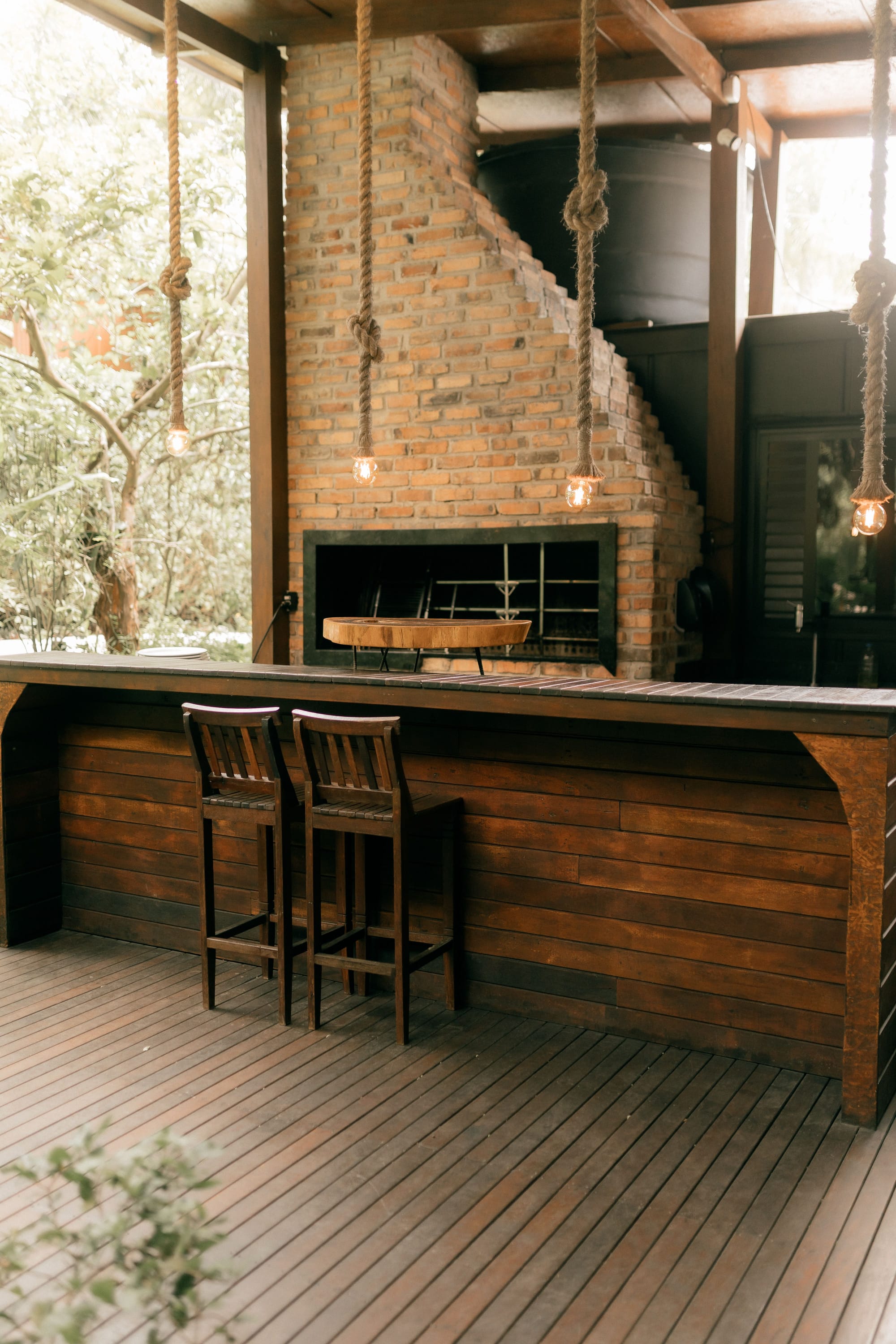
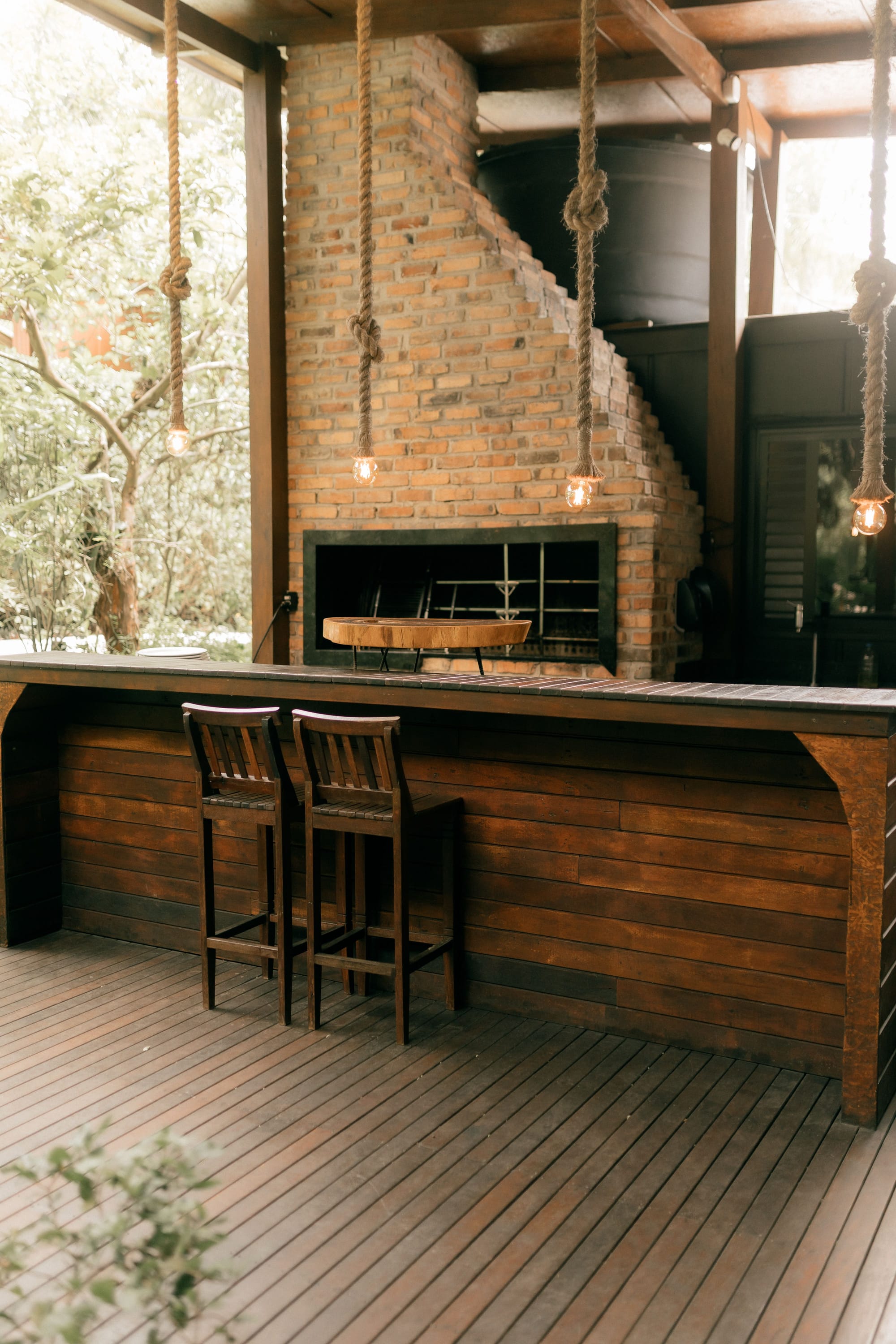
Friday evening, six people are stood around your patio table balancing gin and tonics on the windowsill because there's nowhere else to put them. That's usually the exact moment someone says the words "outdoor kitchen" — and then nothing happens for another two summers. This is the guide for skipping that gap: a proper bar station or basic outdoor kitchen you can build over a fortnight of weekends, using materials any branch of Wickes or Screwfix actually stocks.
Work Out What You're Actually Building Before You Buy Anything
A bar station and an outdoor kitchen are not the same job, and conflating them is how a £400 weekend project turns into a £3,000 one that stalls in October. A bar station is a worktop, some enclosed storage, and somewhere to keep drinks cold — no gas, no plumbed water, nothing that touches Building Regs. An outdoor kitchen adds a built-in grill, possibly a sink with a water feed, and in most cases an electrical circuit run out from the house. If this is your first outdoor build, start with the bar station — it's the better choice for nine gardens out of ten, and you can extend it into a full kitchen later once you know the space actually gets used. Measure your patio or decking area before you sketch anything: a run under 2.4 metres struggles to fit worktop, storage, and a stool without people bumping elbows. Think about which direction the prevailing wind comes from too, because nobody wants smoke or wasp-bait cocktails blowing straight into the kitchen doorway. And check your boundary — anything built within a metre of next door's fence can need their sign-off if you want to render or clad the fence-facing side.
The Base Nobody Wants to Spend Money On
Skip the foundation prep and every problem afterwards traces back to it — a worktop that rocks, a door that binds, cladding that gaps within a year. For a bar station under 3 square metres, a 100mm concrete pad on 50mm of compacted MOT Type 1 hardcore is enough; go to 150mm if you're supporting a built-in grill or a heavy stone worktop. Postmix from Wickes runs about £7 for a 20kg bag, and a small bar station base takes roughly 15-18 bags — call it £120 in concrete alone. Hire a cement mixer from HSS for the day, around £45, rather than hand-mixing in a wheelbarrow; your back will thank you by Sunday evening. Let the pad cure for at least a week before loading it with a full run of units — three days is tempting but not enough, whatever the bag says about "walk-on in 24 hours". Level is non-negotiable: a spirit level and a few hours checking falls away from the house wall will save you from watching rainwater run toward your patio doors every time it drizzles.
Framing: Timber, Blockwork, or a Modular Kit
Timber stud frame clad in exterior ply is the fastest route, and it's the one most first-timers should choose. Blockwork looks more permanent and survives UK winters with almost no maintenance, but it needs footings dug to frost depth and realistically a weekend with a proper bricklayer, not a DIY afternoon. Modular stainless or powder-coated steel cabinet kits — the kind Jewson and some garden centres now stock — skip the building step entirely; you bolt them together and add a worktop. They cost more per linear metre than timber-and-ply, typically £180-£260 per module against roughly £90-£140 to build the same width yourself, but they save two full weekends. For a first project, build the frame from 45x70mm treated timber studs, screw 18mm WBP exterior ply to the front and sides, and leave the back open against the house wall if that's where the unit sits.
- Treated timber studs, 45x70mm, cut to height
- 18mm WBP (weather and boil proof) exterior plywood for cladding
- Exterior wood screws, at least 60mm, stainless or coated
- A decent framing square — most site accidents happen because someone eyeballed a 90-degree angle and it wasn't one
- Treated battens for a drainage gap behind the cladding, among other small bits you'll end up buying twice anyway
Worktop and Weatherproofing
Porcelain worktop slabs are the standout choice for anything left outside year-round — they don't stain, don't fade, and shrug off frost in a way natural stone sometimes can't. Expect to pay £150-£220 per linear metre supplied and templated through a stone merchant, more if you want a waterfall edge down the side. Granite comes in cheaper, around £110-£180 per linear metre, and looks the part, but it needs resealing with an impregnating sealer every one to two years or it picks up wine and barbecue-sauce stains permanently. Timber worktops look lovely in the show-garden photos — oiled iroko or oak, warm against stainless doors. The catch: British rain means resealing every spring at minimum, and skip two years running and the boards cup while the joints open up beyond what sanding fixes. Whatever you choose, get the substructure right first: a slight fall away from the house, roughly 1:80, stops standing water finding its way under the worktop edge and into the frame below. Ronseal's Total Wood Preserver or a marine-grade equivalent is worth the extra few pounds over standard fence treatment for any exposed timber holding up the worktop itself.
Plumbing and Electrics: What Actually Needs Sign-Off
This is the part of the project where cutting corners gets expensive fast.
Any new electrical circuit run outside — for lighting, a fridge, or sockets — counts as notifiable work under Part P of the Building Regulations unless it's carried out and certified by a competent person registered with a scheme like NICEIC or NAPIT. Outdoor sockets must be RCD-protected to 30mA under BS 7671 regardless of who fits them; this isn't optional, and any electrician worth using will insist on it without you asking. If you're adding a sink, a garden tap extension usually doesn't need Building Control involvement, but connecting to the foul drainage system for grey water does — check with your local authority before you cut into anything. Installing a permanent gas point for a built-in grill, as opposed to using a bottled-gas barbecue that simply sits inside the unit, legally requires a Gas Safe registered engineer, full stop. Budget £250-£450 for an electrician to run a single armoured cable circuit with two outdoor sockets and a light, and treat that as the one line item in this whole project you shouldn't try to save on.
Storage, Cladding, and Finishing Touches
Stainless steel access doors, roughly £60-£110 each from specialist outdoor kitchen suppliers, keep bins, gas bottles, and utensils dry and look considerably better than a tarpaulin thrown over the gap. If budget is tight, exterior-grade marine ply doors painted with Dulux Weathershield hold up fine for two or three seasons before they need attention. Cladding choice matters more for how the unit reads against your house than for performance: render to match the brickwork, larch or cedar cladding for a garden-room look, or composite decking boards turned vertical for something low-maintenance. Whatever you pick, leave a 10mm ventilation gap behind timber cladding — trapped moisture behind an airtight face is the single most common reason these builds rot out from the back within three years.
Tools Worth Owning Versus Tools Worth Hiring
You don't need a full workshop for this, but a handful of tools make the difference between a weekend job and a fortnight of swearing at a spirit level. Buy a decent cordless combi drill (a Makita or DeWalt 18V kit from Screwfix runs £150-£220 and earns its keep on every future job in the house), a circular saw or a good handsaw with a proper mitre box, and a 1.2m spirit level rather than the 300mm one already rattling around in your shed drawer. Hire rather than buy anything you'll use once: a cement mixer, a disc cutter for cutting porcelain or paving slabs, and — if you're tiling or rendering — a decent mixing paddle attachment. HSS and most local plant hire yards charge day rates rather than weekly minimums for smaller kit, so there's no penalty for hiring on a Saturday and returning it Sunday evening.
- Cordless combi drill and a spare battery, because the first one always dies mid-job
- Circular saw or handsaw plus mitre box for clean 90-degree cuts
- 1.2m spirit level and a smaller torpedo level for tight corners
- Cement mixer, hired by the day rather than bought
- Disc cutter with a diamond blade if you're cutting porcelain, paving, or block — and eye protection that actually fits, not the free pair from the bottom of the toolbox
Cost Breakdown: What This Actually Costs in the UK
Rough numbers, assuming you do the labour yourself and hire trades only for gas and electrics:
- Bar station, 2.5m run, timber frame, porcelain top, no gas or plumbing: £900-£1,400
- Bar station with electrics — lighting, one socket, small integrated fridge: £1,400-£2,000
- Full outdoor kitchen with built-in grill, sink, worktop, storage, and electrics: £2,800-£4,500, and that's before you've bought a single glass or bottle opener
- Modular steel kit route instead of building the frame yourself: add roughly 30-40% to any of the above, minus most of the weekend labour
Those ranges assume Wickes, Screwfix, and Travis Perkins pricing on materials as of this summer, plus a qualified electrician for the wiring — get three quotes for that part, because the spread between electricians for identical outdoor circuit work regularly runs £150 or more.
Getting It Through a UK Winter
A UK winter is the real test of any outdoor kitchen, not the first barbecue you have in it. Cover the whole unit with a proper breathable outdoor furniture cover between October and March — not tarpaulin, which traps condensation against the worktop and frame. Drain any water feed lines before the first frost; a burst compression fitting behind a stainless door is not a fun February discovery. Reseal timber worktops and cladding each spring whether they look like they need it or not, because by the time timber visibly needs resealing, moisture has usually already got past the surface. Do that, and the same bar station built in a fortnight this July will still be pouring drinks reliably in five summers' time — long after the pergola everyone built the year before has started sagging at one corner.