Bleeding Radiators Properly: A Spring Tune-Up That Actually Works
Cold patches at the top of a radiator while the bottom feels hot? Here's the proper way to bleed every radiator in the house and check boiler pressure afterwards.
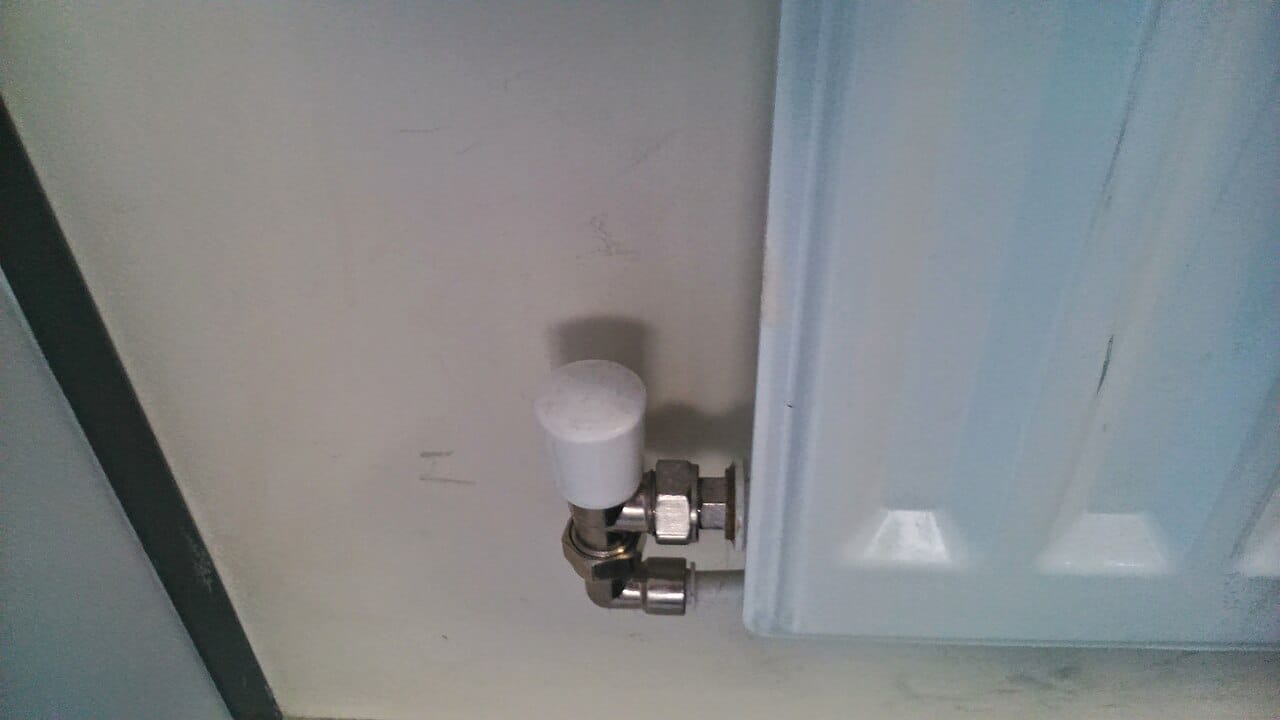
Cold patches at the top of a radiator while the bottom feels piping hot? That trapped air has been quietly costing you money all winter. Bleeding the radiators is the single cheapest job in DIY, yet half the homes I visit have at least one radiator that hasn't been touched in years. Spring is the right moment to sort it, before the system goes dormant and corrosion sets in.
British central heating systems are particularly prone to this because most of them are sealed, which means hydrogen builds up with no easy escape. The good news is that the fix takes about 90 seconds per radiator and requires a tool that costs less than a pint at your local.
Why air gets in
Hydrogen builds up inside the system as the water reacts with iron components. Add the occasional refill after a leak, and you've got a recipe for noisy pipes, lukewarm rooms, and a boiler working harder than it should. A radiator that's only half hot can use 25 to 30 percent more energy to heat the same room. Across a whole house, that's a meaningful chunk on your gas bill, easily £100 to £180 a year wasted on heating air pockets instead of your living room.
The other reason to do it now: a stagnant summer with air pockets accelerates internal corrosion. Iron oxide flakes off the inner walls and turns into the black sludge that ruins systems within a decade. Get the air out, and your radiators last twice as long.
What you'll need
- A radiator bleed key (Screwfix sells a brass one for around £1.49, or a five-pack of plastic ones at B&Q for £3)
- An old towel or cloth
- A small jug or bowl
- A flathead screwdriver as a back-up (some modern radiators take one instead of a square key)
- A pair of rubber gloves, because the water that drips out is grimy black, the kind of stain that survives three washes
The proper sequence
Order matters. Start downstairs, finish upstairs. Air rises through the system, so working bottom-up means you're chasing pockets that have already settled.
- Turn off the heating and let everything cool for at least 30 minutes. Bleeding a hot radiator sprays scalding water at your hand. No exceptions.
- Identify the bleed valve. It's the small square nipple on the top corner, usually opposite the thermostatic valve.
- Hold the cloth and jug below the valve. Slot the key in and turn anticlockwise, no more than a quarter turn.
- Listen for the hiss. That's air escaping. Keep the key steady.
- Close it the moment water dribbles out. A quarter turn back and you're done.
- Move to the next radiator. Repeat for every one in the house.
Check the boiler pressure afterwards
This is the bit most guides skip. Releasing air drops the system pressure. Glance at the gauge on the boiler, the green band sits between 1.0 and 1.5 bar when cold. If the needle has slipped below 1.0, top up using the filling loop, that silver braided hose under the boiler. Open both valves slowly until the gauge reads 1.2, then shut them firmly. Most combi boilers from Worcester, Vaillant, and Baxi follow the same pattern.
If nothing comes out
A dry valve usually means a blockage of sludge rather than empty pipes. Try the next radiator first. If several behave the same way, the system probably needs a power flush, a job for a Gas Safe engineer rather than a Saturday afternoon. Quotes typically run from £350 to £700 depending on radiator count.
If water sprays out immediately
You've turned the key too far. Tighten it back up, mop the splashes, and try again with a gentler movement. The valve only needs to crack open, not unscrew fully.
The towel rail trap
Bathroom towel rails often have the bleed valve at the top of the side pipe, set into a chrome cap. Pop the cap off with a flathead, then use the same key as before. Wickes stocks dedicated chrome bleed keys for £2.79 if yours is a fiddly fit.
Dulux trim warning
Old radiators painted over with Dulux Satinwood can have the bleed valve seized shut by paint. Score around the valve with a craft knife before turning the key, otherwise you risk shearing the brass off and creating a much bigger problem. Replacement valves cost around £4 but require draining the radiator, a 20-minute job that suddenly becomes an afternoon.
How often is sensible
Once a year, ideally in late spring after the last cold snap. Add a corrosion inhibitor like Sentinel X100 (£14.99 at most merchants) every five years to slow the air build-up. A topped-up, balanced system runs quietly, heats evenly, and saves roughly £80 to £120 a year on a typical three-bed semi. That's an hour of work for a return most savings accounts would be jealous of.