How to Replace a Toilet Cistern: Tools, Parts and Avoiding Leaks
A practical UK DIY walkthrough for swapping a tired toilet cistern, with the exact tools, parts and leak-prevention tricks the trade actually uses.
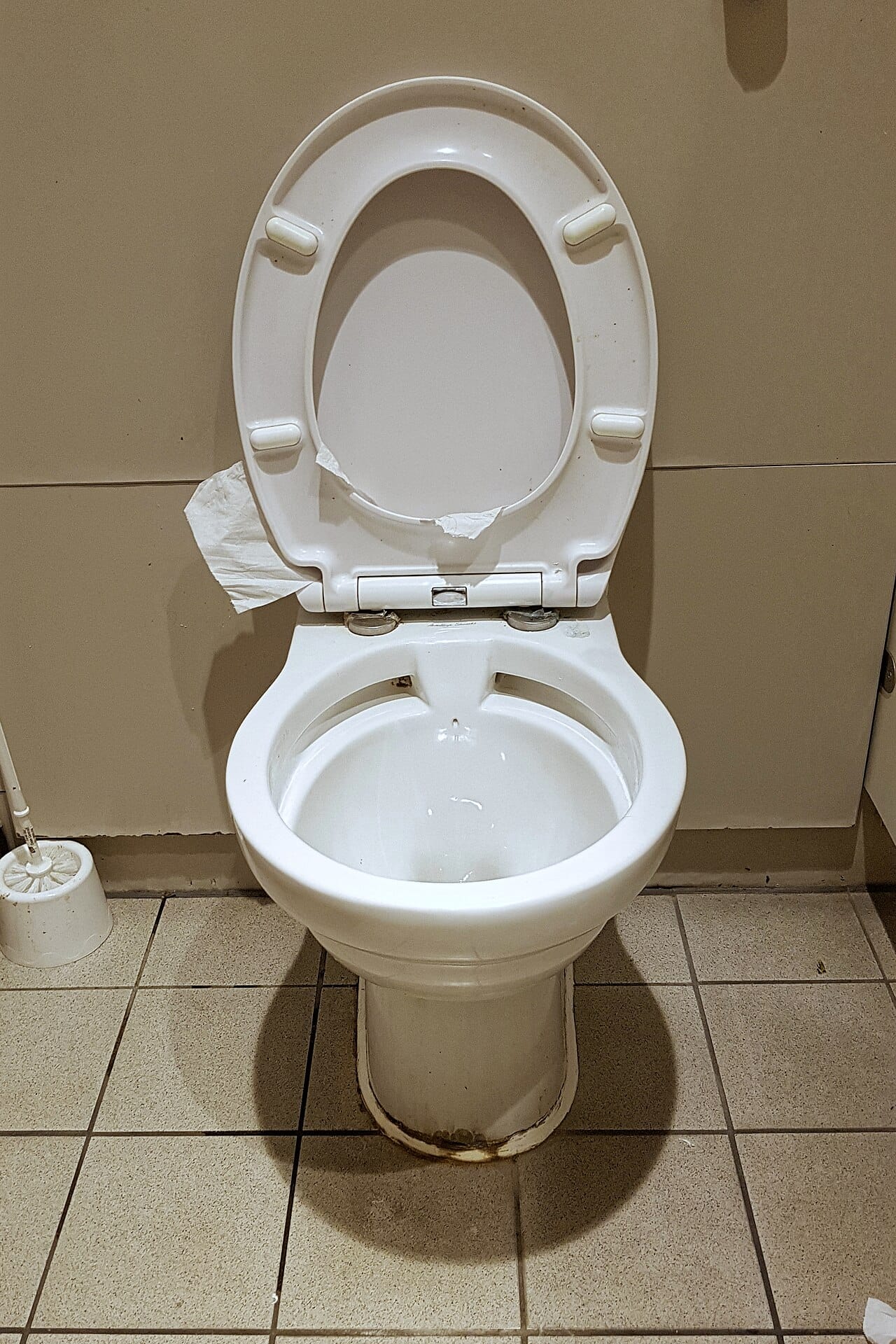
Replacing a toilet cistern is one of those jobs that looks daunting until you actually start. The truth is, with a couple of hours, the right parts and a methodical approach, almost any reasonably handy homeowner can swap out a tired or leaking cistern for a modern dual-flush model. The job rarely needs a plumber unless your supply pipework is in poor condition, and a new cistern from Wickes or Screwfix typically costs between £55 and £180. Add another £20-£30 for fittings, and you have a refresh that pays for itself within a couple of years through reduced water usage.
This guide walks you through the whole process: what to buy, what to check, how to remove the old unit, how to fit the new one and, crucially, how to make sure it does not leak when you are finished. We will also cover the bits people get wrong, including overtightening the donut washer and forgetting to bed the cistern flat against the wall.
Before You Start: Identify What You Have
Toilet cisterns broadly split into three categories: close-coupled (sat directly on the pan), low-level (linked to the pan by a short flush pipe) and high-level (the old-school overhead type with a chain). Around 90% of UK homes built since 1990 have close-coupled units, so this guide focuses on those. If you have a low or high-level cistern, the principles still apply, but you will need a flush pipe and rubber cone connector instead of a doughnut washer.
Check whether your existing cistern is bottom-entry or side-entry (where the cold supply enters). Bottom-entry is by far the most common in the UK. Measure the centres of the two bolt holes underneath the cistern: 60mm or 80mm centres are standard, and any replacement should match.
Tools You Will Need
- Adjustable spanner (a cheap one from B&Q is fine)
- Slotted and Phillips screwdrivers
- Flat box spanner or basin wrench for the back-nut
- A small bucket or washing-up bowl
- Old towels and a sponge
- Roll of PTFE tape (any builders’ merchant)
- Spirit level
- Cordless drill with a 6mm masonry bit (for refixing wall brackets if applicable)
Parts and Consumables
- Replacement cistern (Roca, Ideal Standard and Twyford are reliable mid-range brands)
- New doughnut washer (sometimes supplied with the cistern, but always worth having a spare)
- New cistern bolts with rubber sealing washers
- Flexible tap connector (15mm x ½in BSP, around £6 from Screwfix)
- New isolating valve if yours is seized (about £5)
Step 1: Isolate the Water and Drain Down
Find the isolating valve on the supply pipe feeding the cistern. It will be a small brass valve with a slot you can turn with a flat-blade screwdriver. Turn it 90 degrees so the slot is across the pipe; that is the off position. If you do not have an isolator, this is the moment to fit one (push-fit Tectite or compression Speedfit work well). Never trust the property stopcock alone for a job like this.
Flush the toilet to empty as much water as possible from the cistern, then sponge the remaining inch of water out into your bucket. Lift the lid carefully and set it aside on a towel; ceramic lids chip very easily.
Step 2: Disconnect the Supply Pipe
Place the bucket directly under the supply connection. Loosen the back-nut on the float valve where the supply pipe enters the cistern, using your adjustable spanner. Expect a small dribble of water; this is normal. Once detached, lift the pipe to one side. If the existing tap connector is more than ten years old or shows green corrosion, replace it.
Step 3: Remove the Old Cistern
Underneath the cistern, where it joins the pan, you will see two cistern bolts (sometimes called wing bolts) holding everything in place. Hold the bolt heads inside the cistern with a screwdriver and undo the wing nuts beneath the pan with your spanner. They will often be furred up; a squirt of WD-40 ten minutes earlier helps. If they refuse to budge, cut them with a hacksaw blade.
Some cisterns are also screwed to the wall through brackets at the back. Undo these screws and keep them in a sandwich bag. Lift the cistern straight up, off the doughnut washer that sits between cistern and pan, and place it carefully outside or on plenty of newspaper. Empty cisterns weigh around 8-12kg.
Step 4: Clean the Pan and Wall
Take this opportunity to scrape off the old doughnut washer remains with a plastic scraper. Wipe the top of the pan with a cloth dipped in white vinegar to remove limescale. If the wall behind has any blown plaster, sort that now: a quick patch with Toupret Touprelith F (about £10 from Travis Perkins) and a coat of bathroom emulsion in a Dulux satin finish will tidy things up before the new cistern hides everything.
Step 5: Prepare the New Cistern
Most modern cisterns arrive with the float valve and flush valve loose, so they need fitting. Read the instructions; manufacturers vary. Generally:
- Fit the flush valve through the centre hole, with the rubber washer below the cistern and the back-nut tightened firmly by hand plus a quarter-turn with a basin wrench. Do not overtighten or you will crack the ceramic.
- Fit the float valve through the side or bottom inlet, again with the rubber washer on the inside.
- Slip the new doughnut washer over the threaded outlet of the flush valve so it sits on the underside of the cistern.
- Insert the cistern bolts through the holes either side, with rubber sealing washers up top.
Step 6: Fit the Cistern to the Pan
Lower the cistern carefully onto the pan, threading the bolts through the holes. Have a helper steady it if possible. Fit the brass washers and wing nuts beneath the pan and tighten them alternately by hand, then a final firm tighten with a spanner. The cistern should pull down evenly so the doughnut washer compresses uniformly. Use your spirit level to confirm the cistern sits true; out-of-level cisterns nearly always leak around the doughnut.
If your cistern has wall fixings, mark and drill the wall now. Use brown wall plugs in plasterboard with adequate fixings (Fischer Duotec for plasterboard alone, or 6mm masonry plugs into brick). Tighten the wall screws gently; they steady the cistern but should not bear weight.
Step 7: Reconnect the Water and Test
Wrap five turns of PTFE tape clockwise around the male thread of the float valve tail. Connect the flexible tap connector or rigid pipe and tighten the back-nut firmly but not viciously. Open the isolating valve slowly and watch every joint with a torch.
Common Leak Points to Check
- Float-valve back-nut: drips here usually mean a missing or twisted washer.
- Cistern-to-pan junction: water on the floor after flushing means the doughnut is uneven or the bolts are loose.
- Cistern bolt holes: drips down the bolts mean the rubber sealing washers were not seated properly inside the cistern.
- Hairline crack on ceramic: usually caused by overtightening; the only fix is replacement.
Let the cistern fill, then flush three or four times in succession. Watch the doughnut area carefully. A first flush sometimes weeps a tiny amount as everything beds in, but it should be bone dry within ten minutes.
Setting the Water Level and Dual-Flush Volumes
The waterline mark inside the cistern shows the maximum legal fill level under Water Regulations. Adjust the float to stop filling about 10mm below this mark. Modern dual-flush valves let you set a 4/6 or 3/4.5 litre split via a dial inside the cistern; matching to a 6/4 or 4.5/3 set-up generally suits most UK households.
Building Regulations and Compliance
Replacing a cistern in a like-for-like swap is not notifiable work under Part G of the Building Regulations, so you do not need approval. However, if you alter the supply pipework or fit a new soil connection, that becomes notifiable. WRAS-approved fittings are mandatory by water regulations; reputable brands stamp this on the float valve.
When to Call a Pro
If your supply pipe is old lead, badly corroded copper, or buried in the wall with no isolator, get a plumber in. Likewise, if the cistern bolts shear off inside the pan, removing the broken stubs is a fiddly job and a Gas Safe registered plumber or qualified installer charges roughly £75-£120 for the visit; cheap insurance against a cracked pan.
Otherwise, a cistern swap is one of the most satisfying half-day jobs in the home, instantly improving how the bathroom looks and how much water it uses. Finish by running a bead of clear silicone where the cistern meets the wall to keep dust and condensation drips out, and you are done.
Choosing Between Modern Cistern Types
Beyond the basic close-coupled, low-level and high-level distinction, you will encounter several cistern technologies on the shelves at Wickes and B&Q that did not exist twenty years ago. Concealed cisterns sit hidden inside a stud wall behind a tiled panel, with only a flush plate visible. Geberit and Grohe Rapid SL frames are the dominant brands at the trade end, costing around £180-£260 for the frame plus £70-£160 for the flush plate. While the look is undeniably contemporary, you should think hard before installing one in a property you intend to sell within five years; servicing requires removing the wall panel, and not every plumber relishes the work.
Top-flushing buttons have largely replaced lever flushes in new cisterns. Modern dual-flush plates from Roca, Twyford and Vitra include 4/2.6 litre options that comply with the latest Water Regulations and shave another two litres per flush over older 6/4 systems. For a household of four, that adds up to roughly 5,800 litres saved per year, equating to around £18-£25 off your combined water and sewerage bill if you are metered.
Soundproofing and Slow-Fill Valves
One subtle improvement few homeowners think about is the slow-fill float valve. The cheap valves shipped with budget cisterns can refill noisily, and in a flat with thin party walls this becomes a genuine source of friction with neighbours. A Fluidmaster Pro 750 slow-fill valve replaces virtually any side or bottom-entry valve and costs around £14 from Screwfix. Refilling time goes from 45 seconds of jet-engine roar to about 90 seconds of barely audible trickle.
Insulating an External Wall Cistern
If your cistern sits on an external wall in an unheated en-suite or downstairs WC, fit a Class O foam jacket inside it (a fold-up sheet costing around £6-£9). It cuts down condensation drip dramatically; on cold January mornings, an unjacketed cistern can pool four or five tablespoons of condensation on the floor purely from the temperature differential between mains-cold water and warm bathroom air.
Disposal of the Old Cistern
The old ceramic cistern is technically inert waste but most council kerbside collections will not take it. Local Household Waste Recycling Centres accept ceramic sanitaryware free of charge if you arrive in a car (vans usually require a permit). Wrap the cistern in an old duvet to avoid chips puncturing the boot lining of your car, and remember the empty unit is brittle, so handles loosely and breaks heavily.
Aftercare: The First Two Weeks
Get into the habit of glancing under the cistern every couple of days for the first fortnight. New rubber washers can compress unevenly as they bed in, and the very small drip you notice on day three is far cheaper to fix than the rotten floorboard you discover on day three hundred. If everything is dry after two weeks, you can confidently call the job done. After three months, give the wing nuts a quarter-turn snug-up just to compensate for any final settling.
Finally, save the receipt and product paperwork; most ceramic manufacturers offer a five-year guarantee on the unit and a one or two-year warranty on the internals. Keeping a folder of bathroom paperwork costs nothing and pays back tenfold the day a small fault arises.