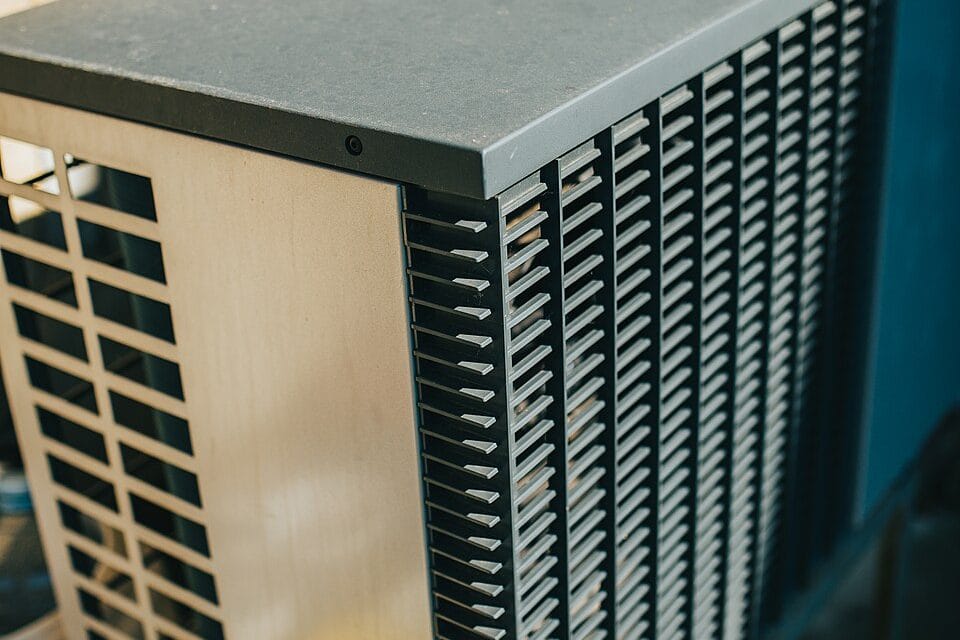
Three days ago, with almost no fanfare, the government pushed the headline heat pump grant up by £1,500 for anyone still heating their home with oil or LPG. If you've been putting off the conversation with an installer because the sums never quite worked, this is the point where they might. And if you've never looked at an air source heat pump seriously, late July 2026 is a reasonable moment to start — not because of some vague push toward net zero, but because the Boiler Upgrade Scheme just got noticeably more generous, and the planning rules that used to trip people up have quietly disappeared for most houses in England.
What Actually Changed on 21 July
The Boiler Upgrade Scheme (BUS), run by Ofgem, has offered £7,500 toward an air source or ground source heat pump in England and Wales since it launched, with no means test and no income cap attached. From 21 July 2026 until 31 March 2027, that figure rises to £9,000 for homes currently heated by oil or LPG — a category the scheme is clearly targeting because those households have no mains gas alternative and are usually paying more per kilowatt-hour for heating to begin with. Air-to-air heat pumps, which heat and cool a room but don't produce hot water, get a separate £2,500 grant, and biomass boilers qualify for £5,000 in limited off-grid circumstances. None of this money passes through your bank account. Your MCS-certified installer applies for it on your behalf and deducts it from the final invoice, so the number you see in the quote is already the discounted one. Uptake has been climbing steadily too — Ofgem logged more than 3,500 applications in a single month earlier this year, and the scheme's budget runs to £2.7 billion through 2030, so funding running out isn't the near-term worry it was with some previous efficiency schemes.
The Real Cost After the Grant
Installers quote a fully fitted air source heat pump at somewhere between £8,000 and £14,000 before any grant, depending on the size of the property and how much pipework and radiator work is involved — larger detached houses with higher heat losses can run to £16,000. Ofgem's own scheme data puts the average actual installation at around £12,500 for an 8kW unit as of early 2026. Subtract the £7,500 standard grant, or £9,000 if you qualify for the oil/LPG uplift, and most homeowners end up paying somewhere between £500 and £7,500 out of pocket — broadly comparable to replacing a gas boiler and cylinder in one go, once you factor in that a heat pump installation usually includes a new hot water cylinder as standard. Get at least three MCS-registered quotes before signing anything. Anything less and you have no way of knowing whether one installer has undersized the system to hit a lower headline number, which shows up later as a heat pump that never quite gets the house warm on the coldest week of the year.
Do You Need Planning Permission?
In England, the answer is almost always no.
The rules loosened substantially from 29 May 2025: the old 1-metre minimum boundary distance was scrapped entirely, the maximum permitted unit size went up from 0.6m³ to 1.5m³, and detached houses gained the right to install two heat pumps under permitted development rather than one. A further change lands on 28 May 2026 — MCS 020(a) becomes the only accepted noise standard, meaning your installer has to show the unit will run at roughly 37 dB(A) or below at your nearest neighbour's habitable room window, measured under that specific test method rather than a generic manufacturer spec sheet. Wales caught up in June 2026 with almost identical terms — no boundary restriction, the same 1.5m³ size cap for houses, up to two units for detached properties. Scotland and Northern Ireland haven't followed suit yet and still apply the older 1-metre boundary rule, so a semi-detached house close to the boundary in Glasgow faces a different calculation than the same house in Bristol. And regardless of which nation you're in, permitted development doesn't apply automatically to listed buildings, scheduled monuments, or anything inside an Article 4 direction — those always need a full planning application, conservation areas can carry extra conditions on siting, and it's worth a five-minute call to your local planning department before you assume the exemption covers you.
Is Your House Actually Ready?
A heat pump doesn't care how big the grant is if the building around it can't make use of the heat efficiently. Gas boilers typically run a flow temperature of 70–80°C; heat pumps work best — and hit their quoted efficiency figures — running at 35–45°C, which is a genuinely different heating curve. That lower temperature means the radiators sized for your old boiler may not put out enough heat on a cold January morning, and a lot of older single-panel radiators end up getting swapped for double-panel or triple-panel versions, or occasionally for underfloor heating in a ground-floor extension, before an installer will sign off on the design. Loft insulation matters just as much: current building regulations (Part L) call for at least 270mm of mineral or glass wool in a loft, and a lot of houses last topped up before 2010 are sitting at 100mm or less. A single roll of Knauf 100mm loft insulation costs around £25–£27 at Wickes and covers just over 11m², so topping up an average loft to the recommended depth is a weekend job costing a few hundred pounds in materials — cheap compared with what undersized insulation costs you on a heat pump's running bill every winter after. None of this makes a heat pump a bad idea. But anyone telling you it's a drop-in replacement for a gas boiler, no survey needed, is selling you something — a proper heat loss survey, room by room, is what separates an installation that meets its running-cost promises from one that leaves you topping up with the immersion heater every cold snap.
The Hot Water Cylinder Nobody Budgets For
Most heat pump quotes include swapping your old hot water cylinder for a new unvented one, sized to the property and the heat pump's output. That's not just a bigger tank — Part G (specifically G3) of the building regulations requires unvented cylinders to be commissioned by someone holding the right qualification, with a pressure relief valve, an expansion vessel and a tundish installed and tested correctly, because an unvented cylinder is a sealed, pressurised system, and a badly fitted one is a genuine safety risk rather than a paperwork technicality.
What About Running Costs?
The grant covers the upfront price, not what you pay every month afterwards, and this is where a lot of the online heat pump debate gets murky. At a standard flat electricity tariff — around 24.5p/kWh against roughly 6.2p/kWh for gas — a heat pump only beats a modern gas boiler on running costs if it's hitting a seasonal coefficient of performance (SCOP) of about 3.95 or higher, and real-world SCOP data from the government's Electrification of Heat trial and MCS's own field figures puts most UK installations at 2.8 to 3.5. Do the arithmetic and a heat pump on a standard tariff can genuinely cost slightly more per year to run than gas, particularly in an older, poorly insulated house where the SCOP sits at the low end of that range.
Switch to a heat-pump-specific tariff, though, and the picture changes. Octopus Energy's own data on its Cosy tariff — comparing actual heat pump customers against gas boiler running costs between July 2025 and July 2026 — shows average savings of roughly £200 a year, and households who actively shift heating and hot water into the tariff's cheaper off-peak windows report closer to £300–£400. If you're getting a heat pump fitted, switch to a tariff built around it before the installation goes live, not six months later after a winter of paying standard rates for off-peak-shaped usage. Economy 7 and Cosy Octopus are the two most commonly cited options, and moving is usually a same-day online switch rather than a new contract with an engineer involved.
Finding an Installer Who Won't Undersize the System
Look for MCS certification first — it's non-negotiable, since it's also the certification required for the Boiler Upgrade Scheme grant to apply at all. Beyond that, ask each installer for a room-by-room heat loss calculation rather than a rule-of-thumb figure based on square footage; a proper survey measures your walls, windows and insulation levels and produces a design, not a guess. Vaillant's aroTHERM plus, Daikin's Altherma 3, Mitsubishi's Ecodan and Worcester Bosch's Greenstore all show up regularly in UK installations and have a reasonable spread of installer familiarity, spare parts availability and warranty support — the brand matters less than whether the installer has fitted that specific model dozens of times rather than once. Which? runs independent reviews of heat pump installers alongside its usual product testing, and it's worth checking before you commit to a company you found through a single online ad.
What You Can Do Yourself Before the Survey
None of the heat pump installation itself is a DIY job — connecting refrigerant lines and commissioning the system legally requires F-Gas certification, and the electrical connection falls under Part P. But there's genuine prep work that speeds up the survey and can knock real money off the eventual quote.
- Bleed every radiator in the house before the survey, so the installer is measuring actual heat output rather than air-locked underperformance.
- Top up loft insulation to 270mm if it's currently thinner — buy the rolls from Wickes or B&Q and lay the second layer at right angles to the first, which is the one detail most first-timers get wrong and end up with cold spots along the joists.
- Clear the spot where the outdoor unit will likely go, keeping at least 300mm of open space on the sides for airflow, and check there's a sensible route for the condensate drain to a gully rather than across a path where it'll freeze in January.
- Photograph your existing boiler's data plate and your consumer unit before the survey — installers ask for this anyway, and having it ready saves a second site visit, which some installers charge for.
None of this is exhaustive — every property throws up its own complications, from an asbestos garage roof sitting next to the proposed outdoor unit location to a consumer unit that's due an upgrade regardless of the heat pump. But get the radiators bled, the loft topped up and the outdoor space cleared, and the survey visit turns into a conversation about the actual design rather than a first pass at spotting problems.
The Boiler Upgrade Scheme doesn't expire on any particular date for most applicants — the oil and LPG uplift runs to 31 March 2027, and the underlying £7,500 grant has no advertised end date beyond the scheme's 2030 budget horizon. Book the survey, ask for three quotes, and let the installer's heat loss numbers — not last winter's gas bill — decide whether this is the year you make the switch.