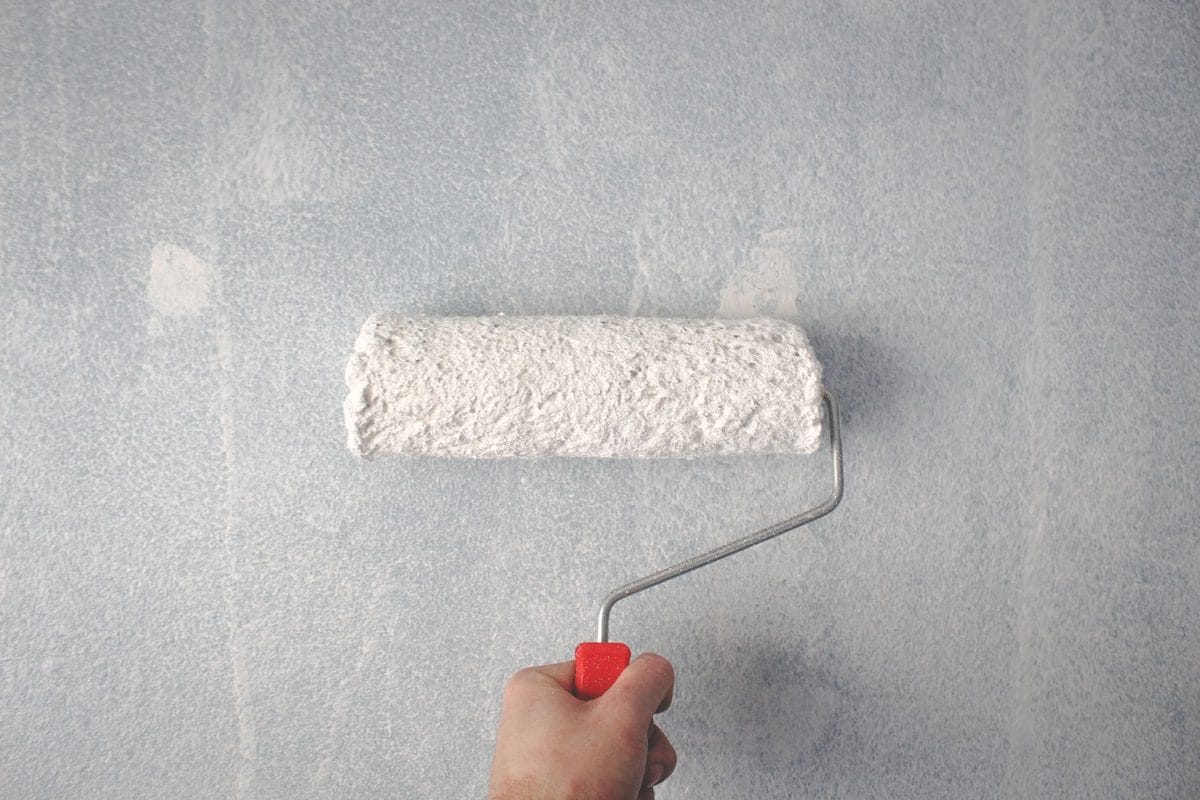
Stand back from your house on a bright August afternoon and look properly at the render. Chalky patches, a faint bloom where the pebbledash used to be a crisp white, hairline cracks radiating out from the window reveals — that's what four or five British winters do to ordinary masonry paint, and most homeowners don't clock it until the finish is properly shot. You've got maybe six weeks of reliably dry, warm weather left before autumn drizzle makes exterior painting a non-starter again, so if the walls need attention this is the window, not next spring.
Why August Is the Only Window That Actually Works
Masonry paint needs a substrate temperature above 10°C and dry conditions for at least four hours after application — most tins, including Dulux Weathershield, specify this on the tin and mean it. Paint applied below that threshold skins over on the surface while staying wet underneath, and within eighteen months you'll see it lifting in sheets off the render. Early autumn in most of the UK still hits daytime highs comfortably above that mark, but overnight dew becomes the problem: by late September you're often painting a still-damp wall by 10am and racing the light by 5pm.
There's a narrower rule that catches people out every year. South and west-facing walls dry fast enough that you can push into a warm September, but north-facing elevations and anything shaded by a neighbour's extension or a mature tree can stay damp to the touch well into the afternoon even in decent weather. If your house has a shaded north wall, do that one first, in the first week of good weather you get, and leave the sun-trap walls for whenever you can fit them in.
Weathershield Versus Ordinary Masonry Paint — the Difference Is Real
Dulux Weathershield Smooth Masonry Paint runs around £48–£55 for 5 litres at B&Q or Wickes, against roughly £28–£35 for a supermarket-tier or own-brand masonry paint of the same volume. That's not a small gap, and it's tempting to assume the extra £20 is just Dulux's marketing budget. It isn't. Weathershield and its closer competitor, Sandtex Trade Ultra Smooth, both carry a flexible acrylic binder that moves with thermal expansion in the substrate — cheap paint uses a more rigid resin that cracks at the exact points render already wants to crack, around window reveals and corners.
Buy Weathershield or Sandtex Trade, not the budget own-brand tin. That's the call, and it isn't a close one once you run the maths on repainting frequency: a cheap masonry paint typically needs redoing in 4–6 years on a south-facing wall exposed to full weather, where Weathershield is rated and genuinely performs for 10–15 years. Over a fifteen-year span you're painting your house three times with the cheap stuff against once with the good stuff, and each job costs far more in your own weekend time than it does in tins of paint.
What You're Actually Paying For
The other difference that matters is breathability. Older solid-wall houses — anything pre-1920 without a cavity — need a masonry paint that lets moisture vapour escape from inside the wall, or you trap damp behind the film and it comes out somewhere worse, usually as a damp patch inside on the chimney breast the following winter. Weathershield's standard smooth masonry range is vapour-permeable enough for most solid-wall Victorian and Edwardian terraces. If your house is genuinely old stone or has lime render, though, you want a proper mineral silicate paint like Keim, not any acrylic product at all — acrylic on lime render is asking for trouble.
Render, Pebbledash, and Old Brick Don't All Play by the Same Rules
This is where a lot of DIY paint jobs go wrong before the first coat even goes on. Painted brick is close to permanent — once you paint bare brick, you're committed to repainting it every decade or so forever, because stripping paint off brick without damaging the face is a specialist job costing thousands. Bare brick that's in good condition is genuinely better left unpainted, whatever the current colour trend says, and if a previous owner painted brick that didn't need it, you're stuck maintaining their decision.
Pebbledash is a different problem entirely: the aggregate texture chews through rollers at a startling rate and drinks paint, so budget for a masonry paint pad or a stiff-bristled masonry brush rather than a roller, and expect to use nearly double the paint volume per square metre that a smooth render would need. Smooth render is the easy case — roller and brush, standard coverage rates, no surprises. Cracked or "blown" render, where sections have detached from the wall behind and sound hollow when you tap them, needs cutting out and re-rendering before any paint goes anywhere near it; painting over blown render just seals moisture in behind a film that will bubble and fail within a season.
The Prep Work Nobody Wants to Do
Every exterior paint job that fails early failed at the prep stage, not the paint stage. Before anything else, wash the whole elevation down with a fungicidal wash — Wickes and Screwfix both stock a general-purpose one for around £12–£15 a litre, diluted, and it's non-negotiable on any wall with visible green or black algae staining, which in the UK's climate is most walls facing north or shaded by trees.
- Rake out and fill any hairline cracks with a flexible masonry filler, not standard interior filler, which will crack again within a year outdoors
- Scrape back any flaking or blistering old paint to a sound edge — feathering the edge with sandpaper so the new coat doesn't show a ridge
- Treat any rust staining from old brackets, TV aerials, or satellite dish fixings with a rust-inhibiting primer before topcoat, and if you're removing old fixings entirely, this is also the moment to do it
- Check pointing between brick or stone for gaps wider than about 3mm — repoint first, because paint is not a substitute for mortar
Skip the fungicidal wash on an algae-stained wall and you'll get exactly the outcome you'd expect: new paint over live spores, and the green bloom reappears through the fresh coat within a summer.
Getting Up There Safely — and Legally
A single-storey extension wall is a ladder job. A full two-storey Victorian terrace front is not, and this is the point where most DIYers either rent a tower scaffold or should. HSS Hire charges roughly £70–£95 a week for a basic aluminium tower scaffold, which sounds steep until you compare it against a fall from a leaning extension ladder at first-floor height — a genuinely common cause of serious injury during exterior maintenance, and one that insurers ask about if you claim after a fall from unsecured equipment.
If your house sits in a conservation area or is a listed building, check with the local planning authority before changing the exterior colour — an Article 4 Direction can specifically restrict repainting a previously unpainted brick or stone façade, and some conservation areas control colour choice on painted render too. Most estates aren't affected, but it's a five-minute phone call that avoids an enforcement letter eighteen months later, and enforcement on this kind of thing does happen.
The Real Ten-Year Cost Comparison
Run the numbers on a typical three-bedroom semi with roughly 90 square metres of paintable wall. Budget masonry paint at £30 per 5L tin needs about six tins for two coats, so call it £180 in paint, redone every five years — three coats over fifteen years, £540 in paint alone, before you count three separate weekends of your own labour or three lots of scaffold hire. Weathershield at £50 per 5L tin needs the same six tins, £300 in paint, done once over the same fifteen years assuming a proper job with good prep.
£300 once beats £540 three times before you've even added the labour and access costs on top — and once you do add those, the gap gets much wider. The counter-argument some people raise is that budget paint is fine for a house you're planning to sell within three or four years, and that's actually fair: if the horizon is that short, the cheap tin does the job it needs to do and the fifteen-year maths doesn't apply to you.
When to Stop DIYing and Call Someone
Blown render, structural cracks wider than a few millimetres, anything above two storeys without proper access equipment, or a listed building with consent conditions — hand these to a professional. A local painter and decorator will typically quote £1,500–£3,500 for a full three-bed semi exterior including prep, depending on render condition and access, and that price gets you someone else's public liability insurance covering the ladder work, which is worth more than it sounds until the day it matters.
For everything else — sound render, single or two-storey access you can manage safely, no listed-building restrictions — this is a genuinely doable weekend-and-a-bit project for a competent DIYer with a scaffold tower booked and a fungicidal wash already done a few days before. Buy the good paint. You'll only be glad you didn't once, in about year five, when the cheap tin's neighbour is still holding its colour and yours has gone chalky again.