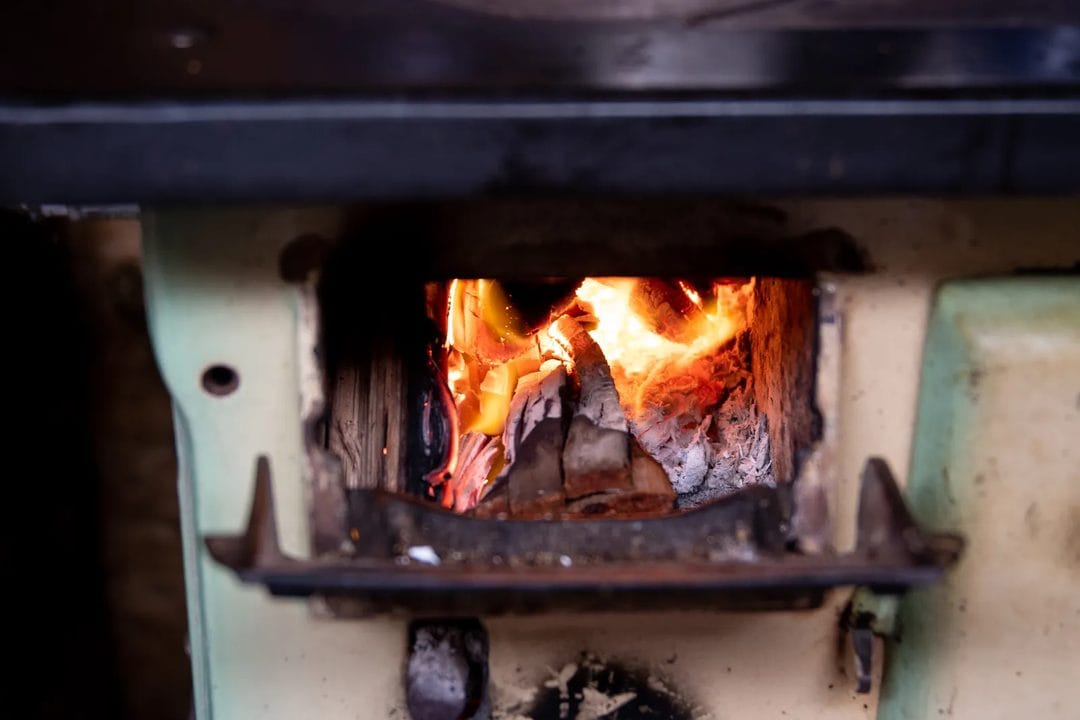
Every October, chimney sweeps across the country get the same phone call: someone lit their first fire of the season, filled the room with smoke, and only then wondered when the flue was last swept. By the time you're coughing through a living room in mid-autumn, you've already missed the best window to sort it out properly. Late August and early September, while the stove is still cold and nobody else is thinking about it, is when this job is actually easy to book and cheap to do.
A wood-burning stove that hasn't been serviced isn't just inefficient — it's a genuine fire risk. Creosote and soot build up inside the flue every time you burn, and if a chimney fire takes hold in a liner that's never been swept, you're looking at structural damage to the chimney breast, a call to the fire brigade, and possibly a home insurance claim that gets awkward fast if you can't produce a sweep's certificate. None of that is scaremongering; it's the reason most UK home insurers now ask about chimney maintenance directly when you make a claim involving a stove.
Book the sweep before the season starts
HETAS — the body that certifies solid fuel appliances and installers in the UK — recommends sweeping a wood-burning stove flue at least once a year, and twice a year if you're burning several times a week through a full winter. A registered sweep in most parts of England will charge somewhere between £60 and £90 for a standard sweep and a smoke test, with London and the South East often running £10–£20 higher. Ask for a certificate at the end — not a receipt, a proper sweep's certificate with the date, the address and the sweep's registration number. That's the document your insurer wants to see, and it's also proof for a future buyer if you sell the house.
Find a sweep through the Association of Chimney Sweeps or HETAS's own installer search rather than a random name from a leaflet through the door. A guild sweep carries public liability insurance and will use a proper CCTV inspection if there's any doubt about the flue's condition — cheap operators sometimes skip this and just push a brush through, which misses cracked liners, bird nests further up, or a liner that's come apart at a joint.
What the sweep actually checks
- Soot and creosote deposits inside the flue liner, cleared with a rotary brush or traditional rods
- The condition of the flue liner itself — twin-wall stainless steel liners typically last 10–15 years before they need replacing, and a sweep will flag corrosion or joint separation
- Bird guards and cowls at the terminal, which get blocked by nests more often than people expect, particularly in rural areas
- A smoke test to confirm the whole run draws properly from stove to terminal, and a carbon monoxide check while they're there, though that's really your job too — more on that below
Check the stove itself, not just the chimney
While the sweep deals with the flue, you can handle the stove side yourself in an afternoon. Start with the door rope seal — the braided fibre gasket that runs around the glass door and keeps the fire controlled by limiting how much air gets in uninvited. Press a piece of paper in the closed door and try to pull it out; if it slides free with no resistance, the seal has compressed or perished and needs replacing. A rope seal kit for most Clearview, Stovax or Charnwood models costs £15–£25 from a stove spares supplier, and fitting it yourself with fireproof cement is a genuinely simple job, not one that needs a technician.
Next, check the firebricks lining the inside of the firebox. Hairline cracks are normal and don't need action, but a brick that's crumbling or has a chunk missing should be replaced before the season starts — a badly damaged firebrick exposes the steel body of the stove to direct flame contact, which shortens its life considerably. Most manufacturers sell replacement firebrick sets individually rather than forcing you to buy a full set, so check the model number on the data plate before ordering.
The baffle plate — the flat steel or vermiculite panel that sits above the fire and forces smoke to travel further before it exits, extracting more heat in the process — should lift out for cleaning. Vermiculite baffles are lightweight and crack over time; if yours is falling apart at the edges rather than just discoloured, replace it. A cracked baffle lets heat and unburned gases escape straight up the flue instead of into the room, which is one of the most common reasons people complain a stove "isn't as warm as it used to be" when actually nothing about the fire itself has changed.
Sort your wood now, not in November
This is the part people skip, and it's arguably more important than the mechanical checks. Burning unseasoned wood is the single biggest cause of tar and creosote build-up inside a flue — wetter wood burns cooler, produces more smoke, and that smoke deposits sticky residue on the way up instead of exiting cleanly. Under the Ready to Burn scheme, wood sold for domestic burning should carry moisture content of 20% or below; anything wetter than that is legally still sellable in small volumes but genuinely bad for your chimney and your air quality.
A cheap moisture meter — around £15–£20 from Screwfix or Toolstation — pays for itself the first time you test a "seasoned" delivery and discover it's sitting at 30%. Push the probes into a freshly split log, not the weathered outer face, since bark and surface wood dry faster than the core and will give you a falsely low reading. If you're buying now for winter, kiln-dried hardwood at 10–12% moisture burns hotter and cleaner than air-dried logs still working their way down from 25%, but it costs more — typically £6–£8 per bulk bag of kiln-dried versus £4–£5 for air-dried, depending on region and species.
Buy now if you can, and stack it somewhere it gets airflow on at least two sides, off the ground, under cover but not sealed in plastic — wood needs to breathe or it holds moisture and starts to mould. Ash and hornbeam are ready to burn at a shorter seasoning time than oak, which genuinely needs two summers under cover before it's properly dry. If your log supplier can't tell you the species and the seasoning date, that's worth asking before you commit to a full winter's worth of fuel from them.
Get a working carbon monoxide alarm — this one isn't optional
Building Regulations Part J requires a carbon monoxide alarm in any room containing a solid fuel appliance, and it needs to be positioned correctly: roughly 1–3 metres from the stove, at head height if wall-mounted, never directly above the appliance where it can be triggered by normal smoke on lighting. A battery-powered alarm from Screwfix or B&Q costs £15–£25 and typically has a 7-10 year sealed battery life — check the manufacture date stamped on the back, because CO sensors degrade even when they're not going off, and a five-year-old alarm from a previous flat isn't something you want relying on.
Test it now, before the first burn of the season, not after you've already noticed a headache during an evening fire. That's a real symptom of low-level CO exposure, and it's the reason this check sits above almost everything else on this list in terms of actual consequence if skipped.
Lighting your first fire of the season
Once the sweep's been and the stove's checked, the first burn matters more than people think. A cold flue that hasn't drawn air in months needs encouragement — open the air vents fully, use plenty of dry kindling rather than firelighters soaked in accelerant, and build the fire small before adding larger logs once you've got a solid bed of embers. Running the stove hot for the first twenty minutes helps burn off any residual dust or manufacturing oils on a newer appliance and gets the flue drawing properly before you throttle back the air for a slower, longer burn.
Don't load the firebox to capacity on that first burn expecting maximum heat straight away — overfilling a cold stove starves the fire of oxygen and produces exactly the smoky, inefficient burn that deposits creosote you spent money getting swept out three weeks ago.
What this actually costs, all in
A full pre-winter service — sweep, rope seal kit, a fresh CO alarm and a moisture meter — runs somewhere between £110 and £160 depending on your region and whether the seal needs replacing. That's a modest outlay against the alternative: a chimney fire, a ruined liner, or an insurance claim complicated by the absence of a sweep's certificate. Book the appointment this week if you haven't already — by mid-October, every registered sweep within thirty miles will be fully booked for a month, and you'll be burning on a flue that hasn't been checked since last spring.