Misted Double Glazing: Why the Fog Appears Between the Panes and How to Replace Just the Unit
Grey mist between the panes means the sealed unit has failed, not the window. Here is how to confirm it, what a replacement unit costs in 2026, how the safety glass rules apply and when a careful DIYer can fit one.
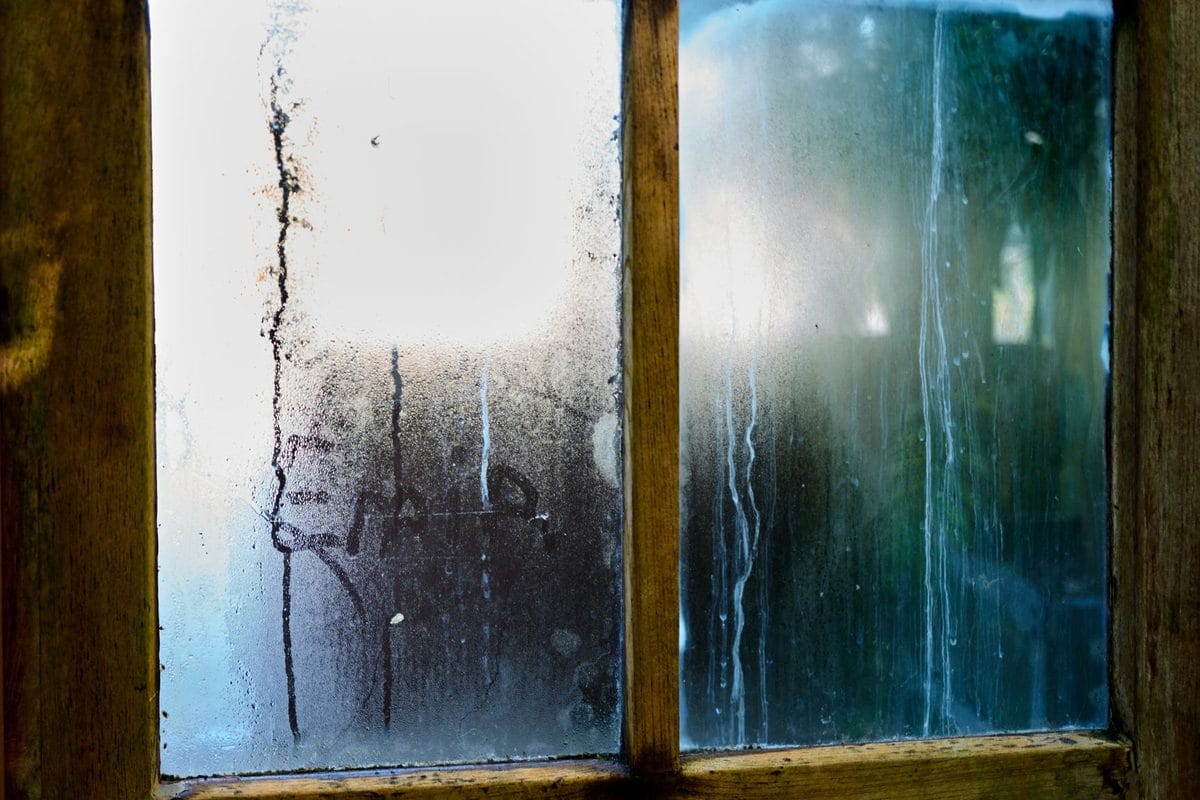
The first properly cold morning of autumn is when most people spot it. A grey cloud sits in the corner of the lounge window, or a row of tiny droplets hangs between the two sheets of glass, exactly where no cloth can reach. You wipe the inside, then the outside, and the mist is still there. That is the giveaway, because it tells you the problem is not the room, the weather or your cleaning but the sealed unit itself, which has stopped being sealed. The frame is almost always fine, and replacing only the glass unit costs far less than a new window; Checkatrade's 2026 cost guide says the saving can reach 70%. The job has traps, though: a measuring step that is easy to get wrong, safety glass rules that cover more windows than people expect, and a piece of glass that can weigh 25 kg or more.
Three Kinds of Condensation, and Only One Means a Failed Unit
Condensation can sit on three different surfaces of a double-glazed window, and a quick wipe test tells you which one you have. Wipe the room side first, then go outside and wipe the outer face, and see what survives.
- Room side. Droplets here mean the air indoors is carrying more moisture than the cold glass can tolerate. That is a ventilation problem, covered in our guide to telling rising damp from condensation, and a new unit will not cure it.
- Outside face. A film of dew on the outer pane on a still, clear morning is no fault at all. Checkatrade points out that it is a sign the glazing is well insulated, because so little heat leaks through to warm the outer pane.
- Between the panes. Mist or droplets you cannot wipe from either side mean the seal has failed, and this is the blown unit.
Early on, the mist can come and go with the weather, thinning by lunchtime and returning overnight. A milky haze that survives cleaning, or water pooling along the bottom of the spacer bar (the thin strip holding the two panes apart), settles the question. Once the seal has gone, the unit cannot dry itself out, so waiting for it to clear is a plan that never works.
What Has Actually Failed Inside the Glass
A sealed unit is two panes of glass held apart by a spacer bar, with the cavity between them filled with dry air or argon. A butyl seal around the edge keeps moisture out and gas in. Inside the spacer bar, a drying agent called desiccant soaks up any trace of dampness that gets through. When the perimeter seal breaks down, damp outside air creeps in until the desiccant is saturated, and the surplus condenses on the inside faces of the glass as the fog you can see. Meanwhile the argon leaks out and is replaced by ordinary air. The trade supplier Sevenday notes that a unit loses much of its insulating performance even before the misting becomes obvious, so a blown unit is a thermal problem as well as a cosmetic one.
Age is the usual culprit. Sevenday says most manufacturers cap their guarantees at 10 years and cites industry guidance that a good unit lasts around 20 to 35 years, while exposed or badly drained units can fail in as little as 10 to 12. The same guide names standing water at the bottom edge of the unit as the single biggest enemy of the seal, and that one you can influence. Clear the drainage slots on the bottom of every frame each autumn with a plastic spatula, and keep solvent-based cleaners and general-purpose sealant away from the edge of the unit, because certain solvents and sealants attack the butyl.
Check the Paperwork Before You Pay Anyone
Guarantees on sealed units vary: individual installers advertise five, ten and fifteen years. If your windows went in during the last decade, phone the company that fitted them before you ring anyone else, and ask whether the guarantee covers the labour as well as the glass. The Centre for Window and Cladding Technology notes that the date of manufacture and the maker's name are often marked on the spacer bar or the glass, so look along the edge of the unit with a torch. Checkatrade's checklist also starts with a step people skip, which is to check whether your home insurance covers blown double glazing.
What a Replacement Unit Costs in 2026
Checkatrade's June 2026 guide gives these ballpark figures for replacing a whole failed unit while keeping the frame. Its estimators stress they are averages, not quotes.
| Window size | Range | Average |
|---|---|---|
| Small | £100 to £200 | £150 |
| Standard | £200 to £325 | £270 |
| Large | £350 to £850 | £600 |
The figures climb with toughened, frosted, self-cleaning or decorative glass, with triple units, with upstairs windows that need access equipment and with jobs in London and the South East. Other published guides run lower: a glazier's answer on MyJobQuote's repair-cost page puts a typical unit at £120 to £200 supplied and fitted. A spread that wide is a good reason to collect three written quotes, each itemised so you can see the glass, the labour, the removal of the old unit and the guarantee period.
You will also meet firms offering to defog the unit for less. They drill a small hole, dry the cavity and fit a vent, which can clear the mist, but the unit is no longer sealed and the argon does not come back, so the insulation does not improve. Skip defogging on any room you heat. The catch: it is a defensible fix for an unheated outbuilding window, where clarity is all you are paying for.
Safety Glass: The Detail That Catches People Out
Look in the corner of the old pane for a small etched mark before you order anything.
That mark states the standard the glass meets and whether it is toughened or laminated, and it matters because Approved Document K, the England-only part of the Building Regulations on impact protection, calls for safety glazing in what it terms critical locations. The Planning Portal lists them as any panel up to 800mm from the floor, any glazed door up to 1500mm from the floor, and any side panel within 300mm of a door edge up to 1500mm high. A low-sill window and a full-height panel beside the front door both qualify. If the old pane is toughened or laminated, the new one has to be as well, and toughened units take longer to make: suppliers typically quote seven to ten working days against three to five for standard glass.
Whether the job itself needs sign-off is where the sources part company. FENSA's compliance guide treats glass-only replacement as repair work outside its competent person scheme, and trade suppliers describe it as not notifiable, yet the Planning Portal says building regulations have applied to all replacement glazing since 1 April 2002. A like-for-like swap, with the same safety glass and coating, looks like a repair on any sensible reading, but if you want that in writing, ask your local authority's building control team before you start.
Can You Replace the Unit Yourself?
Checkatrade is blunt that this is "not a job that lends itself to DIY", because an incorrectly fitted unit will fail quickly. Trade suppliers such as Sevenday publish step-by-step guides for this job all the same, and on the right window it is within reach of a careful DIYer with a helper. The right window is a ground-floor uPVC one with the beads on the inside, a unit about a metre wide or less, and ordinary clear glass. Everything else goes to a glazier: patio doors, toughened glass in a door, first-floor windows that mean working from a ladder, timber sashes, and any window glazed from the outside. Weight is the main reason. Glass weighs roughly 2.5 kg per square metre for every millimetre of thickness, so a unit of two 4mm panes, 1.2m high and 1m wide, comes to about 24 kg of sharp-edged glass.
- Measure through a removed bead. The visible glass is smaller than the unit because its edges sit hidden in the frame, so take one bead off, measure the true glass size and the rebate depth, and measure the thickness across the edge of the old unit. Standard units are commonly 24mm (4mm glass, 16mm gap, 4mm glass) or 28mm with a 20mm gap, and the new one must match.
- Order with the full specification. Give width before height in millimetres, plus Low-E coating, argon fill, safety glass if the position demands it, and the spacer bar colour (white, silver or black) so the new unit matches its neighbours. A Low-E unit has a coated pane that must face the right way round, so ask the supplier which side goes to the room.
- Photograph the packers. These small plastic blocks carry the weight of the glass, and they need to go back exactly as they were.
- Remove the beads. Start with a long edge and work a glazing shovel or stiff putty knife between the bead and the frame. Mark each bead, since they are mitred and often handed. Cut-resistant gloves and sleeves and safety glasses are not optional, and a cracked unit needs strong tape criss-crossed over both faces before you touch it.
- Lift out the old unit with suction cups, clean the rebate and check the drainage slots are clear.
- Pack and fit the new unit. Sit it on the bottom setting blocks, then recreate the packing you photographed. On an opening sash the packers go diagonally, a pattern called toe and heel, so the glass braces the sash square. Get that wrong and the window drops, binds or will not lock.
- Refit the beads, shortest first and the long ones last, until they sit flush at the mitres, then open, shut and lock the sash.
Do not take the old unit out until the new one is in your hands. An open sash on a cold October night is a worse problem than a foggy one.
Order Now, Fit Before the Frosts
Made-to-measure units are not off-the-shelf. With lead times running from a few working days to two weeks, a unit ordered this week should be in the frame before the hard frosts arrive. Cold mornings are also the best time to photograph the mist, which matters because it comes and goes. Take a dated photo of every affected unit now, along with the etched mark in the corner and any stamp on the spacer bar. Those pictures support a guarantee claim, an insurance enquiry and all three quotes, and quotes only compare fairly when every glazier gets the same sizes and the same glass specification.