Mouse-Proofing Your Home This Autumn: Where They Get In and How to Seal It
Mice start moving indoors as October nights turn cold, and a gap the width of a pencil is all they need. Here is how to find the entry points, what to seal them with, and why you should check for bats before touching the roofline.
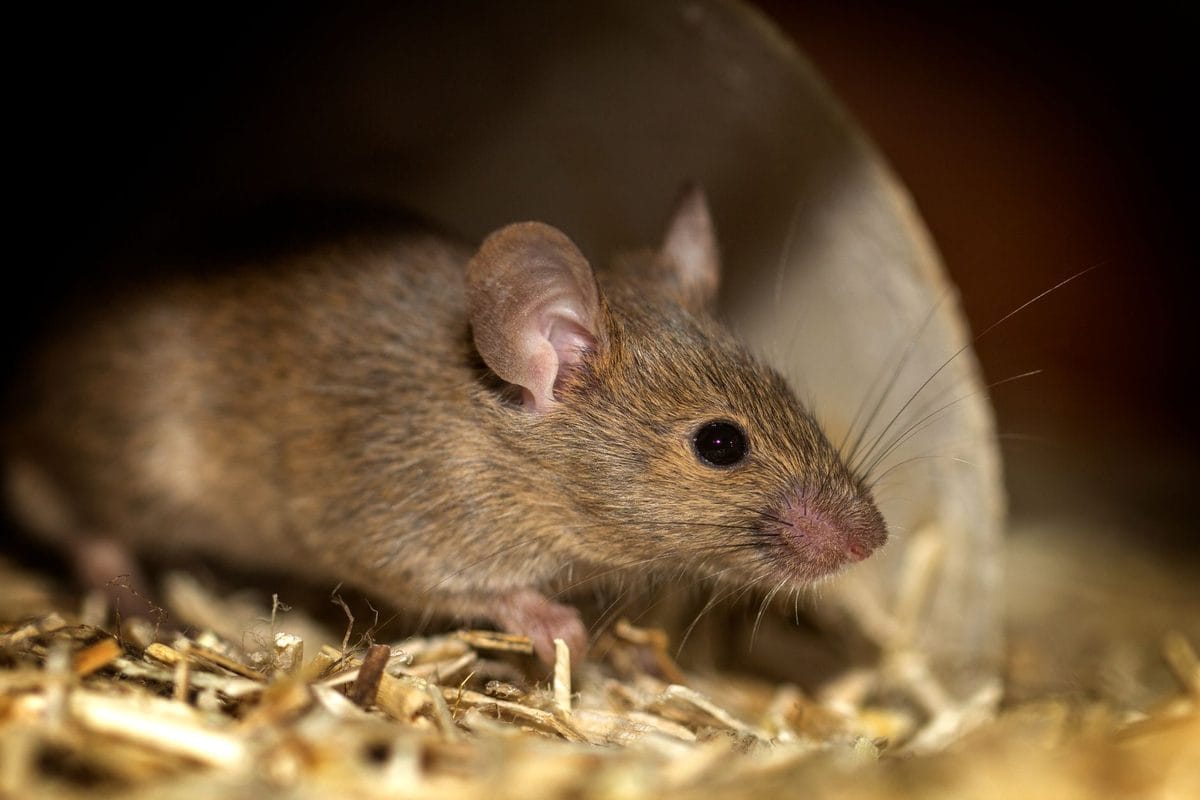
You hear it before you see anything: a dry scratching behind the kitchen plinth at eleven at night, or a scatter of dark grains beside the bread bin on a cold October morning. Mice do not hibernate, and the British Pest Control Association has long pointed out that field mice living outdoors start looking for warmer places to nest as the temperature drops and food gets scarce. Your house is dry, heated and full of crumbs, so it is an obvious target. Getting in takes them very little, because a gap about the width of a pencil is enough. The fix costs less than most autumn jobs: a roll of copper mesh, a bag of mortar mix or a tube of sealant, some brush strip for the doors and an afternoon with a torch. It is also the only approach that lasts, since pest-control guidance is consistent that trapping or baiting without sealing the entry points gives temporary control at best, and the next mice simply move into the space the first lot left. Doing the work in early October, before the first proper cold snap, means you are closing doors rather than evicting a tenant.
The Pencil Test: How Small a Gap Mice Can Use
Rentokil puts the figure at 5–6mm, and the UK reference site Pest Evidence gives 6mm for the house mouse, which both describe as roughly the width of a pencil. Brown rats need about 20mm, though they will gnaw at an existing hole to enlarge it. So take a pencil on your walk-round, and treat any gap it slides into as a mouse door.
Start outside, at ground level, and go slowly round the whole house with a torch even in daylight, because the gaps worth finding are the dark ones. Look first at every place where something passes through the wall: the gas pipe, the boiler condensate pipe, the outside tap, the satellite cable and the old hole where a previous owner's phone line used to come in. Those holes are usually drilled slightly oversize and then filled with nothing more than a crumbling collar of old mortar, which makes them the commonest way in. Next, check the air bricks for cracked or missing grilles, then the base of the walls for holes at damp-proof course level, and then the bottom edge of the back door and any garage door. If a garage or outbuilding is attached to the house, check where services run through the shared wall, because a mouse that settles in the garage will carry on into the house given half a chance. Inside, the favourite spots are under the kitchen sink, behind the washing machine and dishwasher where the pipes vanish into the wall, and anywhere pipework goes through floorboards; Rentokil specifically lists a gap around washing machine pipework or a loose floorboard edge as enough for a mouse.
| Where to look | What gives it away | What to use |
|---|---|---|
| Pipes and cables through external walls | Gap around the pipe, crumbling mortar collar | Copper mesh packed in, then mortar outside |
| Air bricks | Cracked, missing or broken grille | New air brick or a close-mesh cover |
| Back door and garage door | Daylight under the bottom edge, gnawing on the timber | Brush strip, plus a metal kick plate if already chewed |
| Base of walls and foundations | Holes at or below damp-proof course level | Mortar over mesh |
| Under sinks and behind appliances | Gaps round waste and supply pipes, droppings | Copper mesh, then foam or sealant over it |
What to Fill a Gap With, and What to Skip
Expanding foam on its own is the mistake most DIYers make. Mice can climb, squeeze and gnaw through almost any weak point, and pest-control guidance calls for foam to be reinforced with galvanised steel mesh rather than used alone. The professional order of work is mesh first, then mortar or foam over the top to hold it in place and keep the weather out.
Copper mesh is the better choice than ordinary steel wire wool. Wire wool is listed in the trade guidance as a temporary filler, and it rusts and crumbles in a damp cavity, whereas copper does not rust. A small pack costs roughly £10 online, and a 10-metre trade roll of a product such as Stuf-Fit runs to about £30 from pest-control suppliers. That sounds like a lot until you count how many holes a single roll fills.
Air bricks need different treatment. Never block one solid, because the ventilation of the property would be impaired; replace a broken grille, or fit a close-mesh cover with an aperture no larger than 6mm. B&Q lists MouseMesh air brick covers at around £14 at the time of writing, and Screwfix stocks the Metex Ventguard rodent cover for broken air bricks. For doors, a Stormguard bottom door brush from Screwfix seals gaps up to 25mm, and a council proofing leaflet notes that nylon bristle strip deals effectively with gaps under doors down to 5mm.
Skip the peppermint oil. Rentokil's own advice says scents may give short-term relief but are not scientifically proven to give long-term control, and mice adapt quickly. Mesh and mortar do not need to be topped up every fortnight.
A Saturday Afternoon, Step by Step
- Clear the ground: pull out the washing machine, empty the under-sink cupboard, and put on gloves before you touch anything that has droppings on it.
- Pencil-test each gap and mark it with a strip of masking tape, so you can find it again with a trowel in your hand.
- Push copper mesh into every hole with a screwdriver or filling knife, packed tightly enough that you cannot pull it back out with your fingers.
- Seal over it with mortar on outside walls, or with foam or flexible sealant behind units indoors.
- Screw or stick brush strip to the foot of external doors.
- Replace broken air bricks or fit mesh covers, among other small jobs such as repairing a cracked pipe collar.
- Leave anything connected to a gas appliance alone. Never pack mesh or foam into a boiler flue or a ventilation grille, and call a Gas Safe engineer if there is a hole close to one.
Check for Bats Before You Touch the Roofline
Leave the eaves, soffits and roof tiles alone until you have ruled out bats.
All UK bats and their roosts are protected under the Wildlife and Countryside Act 1981 and the Conservation of Habitats and Species Regulations. According to the Bat Conservation Trust, it is an offence to damage a roost even when no bats are in it, or to obstruct access to one, and conviction can carry up to six months' imprisonment and unlimited fines. Historic England notes that almost all UK bat species have been found roosting in roofs, and that many roost or hibernate in gaps and cracks in mortar. Sealing a pipe collar at ground level is a different matter and perfectly fine, but a gap high up under the eaves needs advice first. The National Bat Helpline number is 0345 1300 228, and it is worth ringing before you put a ladder up.
If the Mice Are Already Inside
Seal last. If you already have mice, trap them first and block the entry points once the droppings stop appearing, otherwise you risk shutting one inside the walls where you cannot reach it. A basic snap trap from any hardware shop is the sensible choice, and glue boards are no longer an option for householders in England: the Glue Traps (Offences) Act 2022 came into force on 31 July 2024 and makes it an offence to set a glue trap without a licence. To find out whether the problem is current, clear away every dropping and look again after 24 hours, which is the check Rentokil recommends; fresh droppings mean mice are still active. Clearing up takes more care than most people expect. Rentokil, citing UK Health Security Agency advice, says not to touch droppings with bare hands and to air the room for at least 30 minutes before you start, and UK government guidance on rodent urine and droppings says not to sweep or vacuum them because that puts particles into the air. Wear gloves and a mask, spray the droppings with disinfectant, leave it for a few minutes, wipe up with disposable cloths and seal everything in a bag before it goes in an outside bin.
If you are finding droppings every morning, hearing scratching in more than one room, or seeing gnawed cables, hand the job to a professional. Some councils treat mice for free, some charge a fee, and some no longer offer the service at all; the GOV.UK Report a pest problem page, which covers England and Wales, points you to yours. Renters should tell the landlord first, because responsibility for an infestation in a rented home is not always the tenant's.
Proofing is not a one-off job either. Pest Evidence is blunt that it is never 100% permanent, since building movement and weathering open new gaps over time, and older properties such as Victorian terraces are especially hard to close completely. In a terrace or semi the way in may be on the neighbour's side, so a quiet word over the fence can be worth more than another tube of sealant.
Put a reminder in the diary for the weekend the clocks go back, Sunday 25 October. Walk the outside once more, check every repair and air brick cover, and look under the sink for fresh droppings. A new gnaw mark beside a repair tells you exactly which hole to look at next.