Secondary Glazing vs Double Glazing: What a Period Property Actually Needs
Secondary glazing costs roughly half as much as heritage-style double glazing and sidesteps most of the planning and Building Regs hurdles that come with full replacement -- here's when each option actually makes sense.
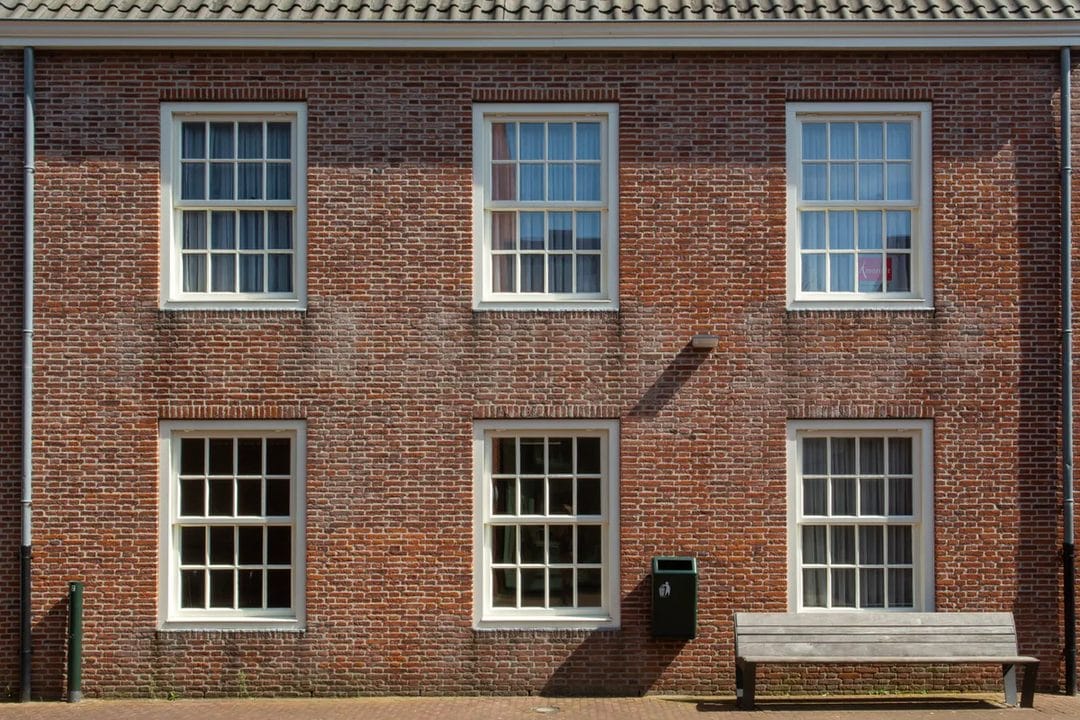
Six weeks after applying for planning permission to replace the sash windows on her Bristol terrace, Sarah got a letter refusing the application outright — the house sits inside a conservation area, and the council wasn't going to let uPVC replace 1890s timber, whatever the energy savings promised. She isn't alone. Every year, thousands of owners of period homes across the UK run into the same wall: the windows that make a house heat like a colander in January can't simply be swapped out, and the choice that's left is between two genuinely different approaches to the same problem, not a straightforward upgrade.
The Real Cost of Each Option in 2026
Secondary glazing is the cheaper option by a wide margin, and the gap is bigger than most quotes lead you to expect. A single magnetic acrylic panel, professionally measured and fitted by a specialist such as Selectaglaze, typically runs £180 to £400 per window depending on size and whether you choose fixed, sliding or hinged access for cleaning. Take the DIY route instead — Screwfix and Wickes both stock secondary glazing kits from around £45 to £90 per window, cut to size at home with a hacksaw and a tube of double-sided magnetic tape — and a ten-window terrace comes in under £900 all told. Full double-glazing replacement, by contrast, sits at £350 to £600 per window for standard uPVC units, and jumps to £800 to £1,200 per window once you specify heritage-style timber sashes with slim sightlines to satisfy a conservation officer. Across a typical three-storey period house with eight to ten windows, that works out at £2,000 to £6,000 for secondary glazing against £8,000 to £18,000 for a full A-rated replacement — and the heritage-sash version, the one most conservation areas will actually approve, sits at the top of that range rather than the bottom. Nobody puts that comparison on a single page, because the replacement-window industry has no reason to sell you secondary glazing instead of a full order.
Budget accordingly, and get quotes for both before you commit to either. A specialist like Selectaglaze will survey the property properly; a general glazier bidding for secondary glazing work almost as an afterthought often prices it far higher, on the assumption you'll pick the higher-margin replacement job instead. It's also worth asking whether the quote includes making good around the reveal afterwards — some fitters leave the plaster edge rough once the brackets are in, and that's an extra half-day of work you'll want costed upfront rather than discovered once the invoice lands.
Where the Rules Actually Bite
Here's the part nobody explains clearly: secondary glazing sidesteps almost the entire regulatory apparatus that governs window replacement.
Replacing a window — swapping the whole unit, frame and all — triggers Building Regulations under Part L (conservation of fuel and power), Part F (ventilation), Part N (safety glazing) and Part K (protection from falling), and a FENSA-registered installer has to self-certify that the new units hit a minimum whole-window U-value of 1.4 W/m²K under the 2022 edition of Approved Document L. Skip a FENSA-registered installer and you're stuck notifying Building Control yourself, paying for an inspection, and organising the paperwork on your own timetable rather than theirs. Secondary glazing does none of this, because you aren't replacing the window at all — the original frame, glass and any listed fabric stays exactly as it was, with a second pane fitted inside the existing reveal. Historic England and Historic Scotland both recognise secondary glazing as the appropriate solution for listed buildings precisely because it's fully reversible: unscrew the brackets and the house is back to its Victorian or Georgian original within the hour. That reversibility is also why the Energy Saving Trust confirms secondary glazing usually needs no planning permission, even inside a conservation area — though a listed building will still need Listed Building Consent if fixing the brackets means drilling into original joinery, so a five-minute call to the local conservation officer before you order anything is worth more than any online guide, this one included. FENSA itself doesn't apply to conservatories, porches or commercial premises either, which catches out more homeowners than you'd expect when they're pricing up a wider renovation and assume the same paperwork covers every glazed opening in the house.
The Performance Gap — and Why It Rarely Matters
The thermal argument against secondary glazing sounds worse than it plays out in practice. A well-fitted secondary glazing unit achieves a U-value of roughly 2.0 to 2.5 W/m²K, against 1.6 to 2.0 W/m²K for a modern double-glazed unit — a real but modest 20 to 30 percent gap. Translate that into pounds and it comes to roughly £15 to £25 a year in extra heating costs across a whole house, which is not the number that should decide a project running into thousands. Where secondary glazing actually pulls ahead is noise: the air gap between the original glass and the new inner pane, if you specify at least 100mm rather than the 50mm boxes some installers push to save on frame depth, cuts external noise by up to 60 percent — more than most double-glazed units manage, because the two panes in a secondary system aren't a matched pair vibrating at the same frequency. Anyone on a busy road, near a railway line, or with a neighbour running an extension with a generator every weekend should be choosing on acoustic performance long before they think about heat loss.
None of this holds if the original frame is already failing. Secondary glazing over rotten timber or a warped, draughty sash just traps damp air against a problem that needed fixing on its own terms — you'll get the acoustic benefit for a couple of years and then find yourself paying for frame repairs and a new inner pane at the same time.
DIY or Professional: What You're Actually Signing Up For
A DIY secondary glazing kit is a genuinely reasonable weekend project if your existing frames are square and in good condition. Measure twice, cut the acrylic sheet with a fine-tooth blade rather than a standard wood saw to avoid cracking, and fit the magnetic strip flush to the reveal — most kits from Screwfix and Wickes include full instructions and take under an hour per window once you've done the first one. Where DIY falls down is on anything other than a standard rectangular sash: bay windows, arched tops, and anything with a curved reveal need a template-and-survey approach that a specialist installer handles far better than a first-time DIYer with a jigsaw. Colour-matching the frame to the original timber is another detail worth getting right — a bright white acrylic surround against dark Victorian sash bars looks like exactly what it is, an afterthought bolted on, so ask for a tinted or timber-effect finish if the window faces the street. Full replacement is not a DIY job under any circumstances — it needs a FENSA-registered installer or a Building Control notification, and getting it wrong risks an indemnity insurance headache when you come to sell. Keep the paperwork either way: a folder with the FENSA certificate or the DIY kit's U-value spec sheet is worth having the day a buyer's surveyor starts asking questions.
When Secondary Glazing Is the Right Call
- Listed buildings and conservation areas, where full replacement needs consent you might not get
- Noise-sensitive homes near a main road, railway line or flight path
- Tight budgets, where a full terrace runs at roughly a third of the price of heritage-sash replacement
- Rental properties, where reversibility protects the landlord's asset rather than committing thousands to windows a future owner might rip out anyway
- Your original joinery is sound and just needs backup insulation rather than wholesale replacement — plenty of Victorian and Edwardian sashes fall into exactly this category once a joiner has actually inspected them
If your frames are structurally sound and the argument for replacement is really about looks rather than performance, secondary glazing is the better choice, full stop. Spending £10,000 on heritage sashes to solve a problem that £3,000 of acrylic panels fixes just as effectively is not a sensible use of a renovation budget, whatever a glazing salesperson tells you about kerb appeal.
When Full Replacement Is Worth It
Choose full replacement when the frames themselves have failed — rot in a timber sash below the meeting rail, or a uPVC frame warped enough that it no longer seals regardless of what you fit behind it. No amount of secondary glazing rescues a window that's already lost its structural integrity; you're just insulating a problem that's going to get worse underneath. Go for a FENSA-registered installer in that case, get written confirmation of the U-value being installed against, and budget for the heritage-sash route if you're in a conservation area rather than assuming standard uPVC will get approved — most conservation officers won't sign off on it, and you'll have paid a deposit before finding that out the hard way.
What to Check Before You Commit
- Ask any secondary glazing quote for the air gap in millimetres, not just "double glazed" — 100mm beats 50mm on both noise and heat retention
- Confirm your installer is FENSA-registered if you're going the replacement route, or you'll be handling Building Control paperwork yourself
- For listed buildings, get the conservation officer's view in writing before ordering anything, even for secondary glazing
- Get at least three quotes: secondary glazing prices vary by more than double between specialists and general glaziers bidding for what is functionally the same product
The Bristol terrace from the start of this piece? Sarah went with Selectaglaze secondary glazing on all twelve sash windows for just under £3,400 — less than half of what heritage-sash replacement would have cost, and the council never even had to see the paperwork.