How to Bleed and Balance Your Radiators in June: The Heating Job to Do Now, Not in October
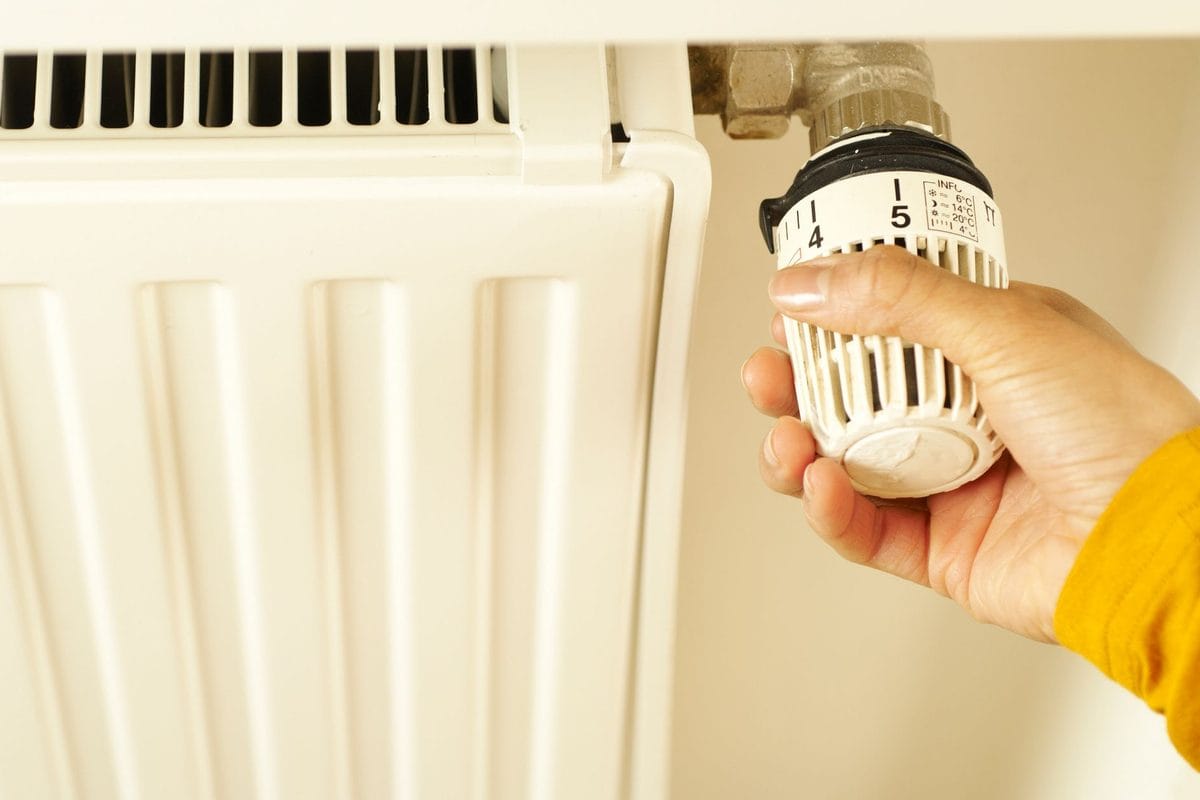
Most people only think about their radiators when one stays stone cold on a freezing November morning. By then you are bleeding air out in a thick jumper, the boiler is working overtime, and the engineer is booked solid for three weeks. Mid-June is the daft-sounding but genuinely right time to sort the whole heating system out, because the system is off, the water is cool, and you have a free weekend that nobody is shivering through.
Bleeding and balancing are two different jobs that get muddled together, and getting them confused is why so many radiators stay lukewarm at the top or never warm up in the far bedroom. Bleeding releases trapped air. Balancing controls how fast hot water flows through each radiator so the ones nearest the boiler do not hog all the heat. Do them in that order, once a year, and you will knock a noticeable chunk off the gas bill.
Why air gets into the system in the first place
Air collects at the top of radiators through a mix of corrosion inside the system, fresh water topped up via the filling loop, and hydrogen produced when the inhibitor runs low. You hear it as gurgling, or you feel it as a radiator that is hot along the bottom and cold across the top third. That cold strip is air sitting where hot water should be, and it can cut a radiator's output by a third without you ever realising the room is underheated.
If you are bleeding the same radiator every few weeks, that is not normal and bleeding will not fix it. Persistent air usually means a small leak drawing air in, or the inhibitor (the chemical that stops the system rusting) has degraded and the metalwork is generating hydrogen. A bottle of Sentinel X100 inhibitor is about £18 from Screwfix and goes in through a radiator or the filling loop. Skip that step and you will be back with the bleed key by autumn.
Bleeding, step by step
You need a radiator bleed key (around £2 from any Toolstation or B&Q), an old towel, and a small jug. Turn the heating off and let everything cool for a couple of hours so you are not dealing with scalding water. Then work through the house from the lowest radiator nearest the boiler upwards, because air rises and you want to chase it towards the highest point.
- Hold the towel under the bleed valve at the top corner of the radiator.
- Turn the key anticlockwise a quarter to half a turn — no more — until you hear a hiss.
- When water dribbles out steadily with no more spitting, close it firmly. Do not overtighten; you will round off the brass valve.
- Once you have done every radiator, check the boiler pressure gauge. Bleeding drops the pressure, and most combi boilers want 1 to 1.5 bar cold. Top up via the filling loop if it has sagged below 1.
A word of caution on older systems with steel panel radiators from the 1980s: the bleed valves seize, and forcing a corroded one can shear it off entirely. If the key will not budge with gentle pressure, leave it and put a drop of penetrating oil on overnight rather than wrenching at it.
Balancing — the bit almost everyone skips
Balancing is what stops the lounge radiator next to the boiler roasting while the spare room three floors up never gets going. Every radiator has two valves: a thermostatic or wheel valve at one end, and a lockshield valve (the one with the plastic cap you never touch) at the other. Balancing is done entirely on the lockshield.
The principle is simple even if the practice takes patience. Radiators close to the boiler get hot water first and fastest, so you throttle their flow down with the lockshield, forcing more hot water out to the radiators at the end of the run. You will need two clip-on pipe thermometers, or a cheap infrared one (about £15), to measure the temperature drop across each radiator.
- Open every lockshield valve fully, fire up the heating, and let it stabilise for fifteen minutes.
- At the radiator nearest the boiler, measure the flow pipe and the return pipe. You are aiming for roughly an 11°C to 12°C drop between the two.
- If the drop is smaller than that, the water is flowing too fast — close the lockshield down gradually until you hit the target.
- Work outwards radiator by radiator. The ones at the far end of the run will need their lockshields fully open to get enough flow.
This is fiddly and it will take a couple of hours of small adjustments and waiting. But once it is set, you leave it alone. A properly balanced system means the thermostat reaches temperature faster, the boiler cycles less, and that far bedroom finally warms up. Done in June, it is a calm afternoon job. Done in January, it is a cold, frustrating one with the family complaining.
When to stop and call someone
If the water coming out of the bleed valve is black and sludgy, the system is full of magnetite — iron oxide from internal corrosion — and no amount of bleeding will help. That needs a power flush, which is a £400 to £700 job done by a Gas Safe engineer, not a DIY one. Likewise, if balancing simply will not get heat to one radiator no matter what you do with the lockshield, the pipework run may be undersized or partially blocked, and that is a diagnosis for a heating engineer.
For everything else, a £2 bleed key and a free Saturday is all it takes. Black sludge at the bleed valve is the one signal that turns a DIY afternoon into a phone call.