Sealing Decking and Fences This Summer: Get the Timing Right or Waste Your Weekend
Decking, fence panels and a silver-grey shed all rot faster than you think. Here is how to seal exterior timber properly in one weekend, in the right order.
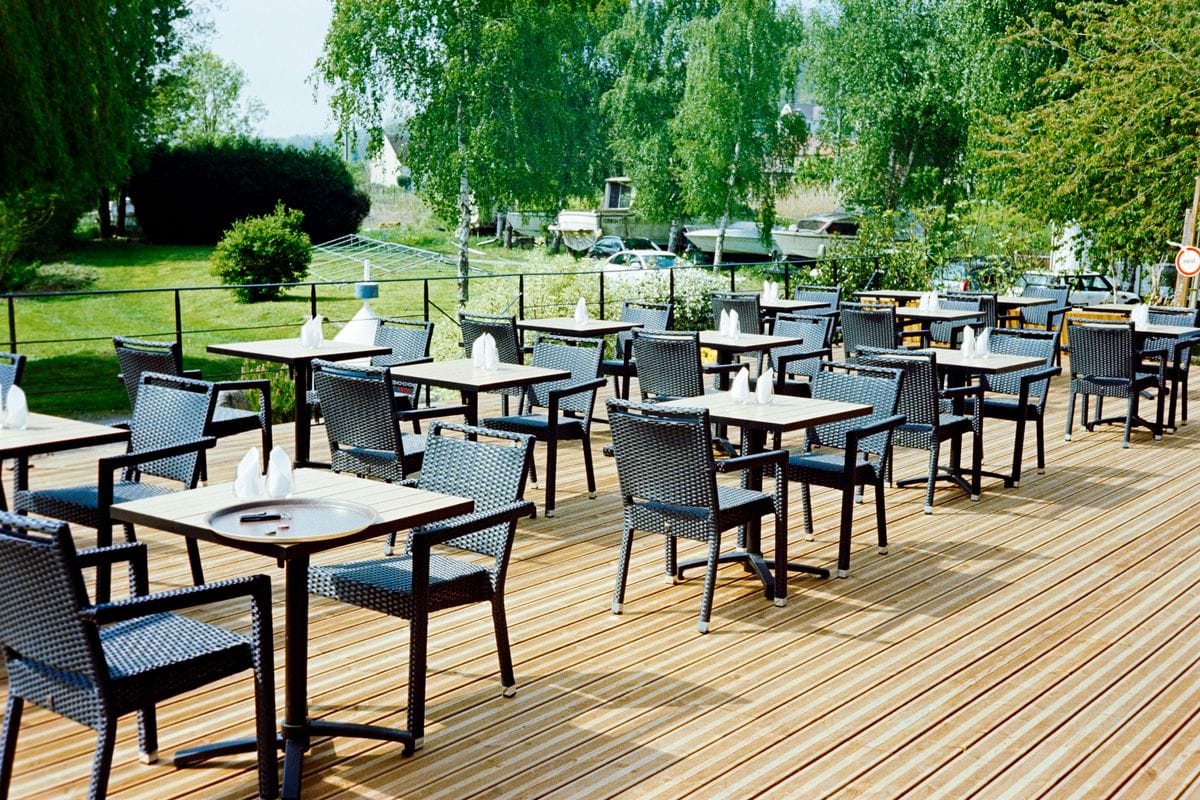
The first proper run of warm, dry weather is the only window you get to sort out exterior timber, and in most of Britain that window opens around now and slams shut by the time August rain returns. Decking, fence panels, a shed gone silver-grey, the garden bench nobody has touched since 2023 — all of it has spent the winter soaking up moisture, and all of it rots faster than you think if you keep ignoring it. The good news is that this is genuinely a weekend job with a £40 budget, not a trade call-out. The catch is that almost everyone does it in the wrong order, on the wrong day, with the wrong product, and then wonders why the finish peels by September.
Why June is the right month, not April
Timber needs to be dry all the way through before you put anything on it, and "dry on the surface" is not the same thing. A deck board can feel bone-dry to the hand at 9am and still hold 20% moisture a few millimetres down after a damp spring. Seal that in and you trap water against the wood, which is exactly what causes the cupping, splitting and black spotting you were trying to prevent. By mid-June, after a stretch of settled weather, most softwood has finally given up its winter moisture. If you own a cheap pin-type moisture meter — Screwfix sells one under the Magnusson name for about £15 — you want a reading below 15% before you start. No meter? Tape a square of clear plastic tightly to the board overnight; condensation under it in the morning means the wood is still too wet.
Check the forecast properly, too. Most penetrating oils want 24 to 48 hours without rain to cure, so you need a dry spell afterwards, not just a dry surface. Applying at the height of a 28°C afternoon is its own mistake — the product flashes off before it soaks in, leaving a patchy, sticky film. Early morning or late afternoon, out of direct sun, is when the wood actually drinks it up.
Oil, stain or paint — and why one of these is usually wrong
This is where the money gets wasted. The three options behave completely differently, and the choice depends on what the timber is and how much faff you're willing to repeat.
- Penetrating decking oil (Ronseal Ultimate, Osmo, Cuprinol UV Guard) soaks in rather than forming a skin. It's the right call for decking and anything walked on or rained on hard, because when it wears it fades gracefully instead of flaking — so re-coating is a quick scuff-and-go, not a strip-back.
- Translucent or solid stain sits more on the surface and gives stronger colour and UV protection. Good for fence panels and sheds where you want a uniform look for three or four years.
- Exterior paint or opaque "fence paint" looks great for one summer and then becomes a lifelong commitment. Once it peels on horizontal timber, your only route back is a full strip. On a deck, avoid it entirely.
For a standard 4-by-3-metre deck you'll get through roughly 2.5 to 5 litres depending on how thirsty the wood is — older, greyer boards drink far more on the first coat. A 5-litre tin of Ronseal Ultimate Decking Oil runs about £35–£45 at B&Q. Buy one tin, do a test board, then judge whether you need a second.
The preparation everyone skips
You cannot oil over green algae, grey UV-damaged fibres, or last year's flaking coat and expect it to hold. The order that works: sweep, clean with a dedicated decking cleaner (Ronseal or Bartoline, around £8–£12) worked in with a stiff brush, rinse, and — this is the part people miss — let it dry for at least two full days. If the timber has gone silver, that grey layer is dead surface fibre and new oil will not bond to it; an oxalic-acid brightener brings the wood back to a colour that will actually take the finish.
Pressure washers are a trap. A 1700W electric washer from Wickes strips algae beautifully and also gouges soft pine grain, raising a furry surface that then needs sanding. If you must use one, keep it on a fan nozzle, hold it 30cm back, and follow the grain. Honestly, a £6 stiff brush and a bucket of cleaner does a better job on most decks and won't leave tramlines.
Don't forget the fixings and the fence posts
Timber rots from the points water can't escape, and on a deck that's the end-grain and the gaps around screws. Brush oil generously into board ends and into any splits — that's where rot starts, not in the middle of a board. On fences, the failure point is almost always at ground level where the post meets the soil. No surface oil fixes a post that's already soft at the base; press a screwdriver into it, and if it sinks in, that post is on borrowed time regardless of what you paint on top.
Get the job right once and a softwood deck will see you through five summers with a single re-coat each spring. Work in the direction of the grain three or four boards at a time so you keep a wet edge, and lay it on thin — two thin coats always beat one thick one, which skins over and stays tacky for days, catching every bit of pollen blowing through the garden. Rush it before a rainy week and you'll be sanding it all back next June, wondering where the £40 went.