How to Keep Your House Cool in a Heatwave Without Buying Air Con
Practical, low-cost ways to stop your home overheating this summer — from reflective window film and loft insulation to cross-ventilation — without resorting to a portable air-con unit.
The first proper heatwave of the year always catches people out. You spend half the year trying to keep the heat in, then suddenly you're chasing it out the door, and a Victorian terrace or a 1970s semi was never built with 32°C in mind. The Met Office has already issued amber heat-health alerts across southern England this week, and bedrooms under the roof are the worst of it — a loft conversion can sit five or six degrees hotter than the ground floor by bedtime.
None of the fixes here involve buying a portable air-con unit, and that's deliberate. A decent monoblock unit from Argos or B&Q runs £300–£450, drinks electricity at roughly 1 kWh an hour, and vents through a window you've then propped open to the warm air you're trying to escape. There are cheaper, more permanent jobs that actually deal with where the heat comes from, and most of them are a Saturday's work.
Stop the heat getting in before you try to push it out
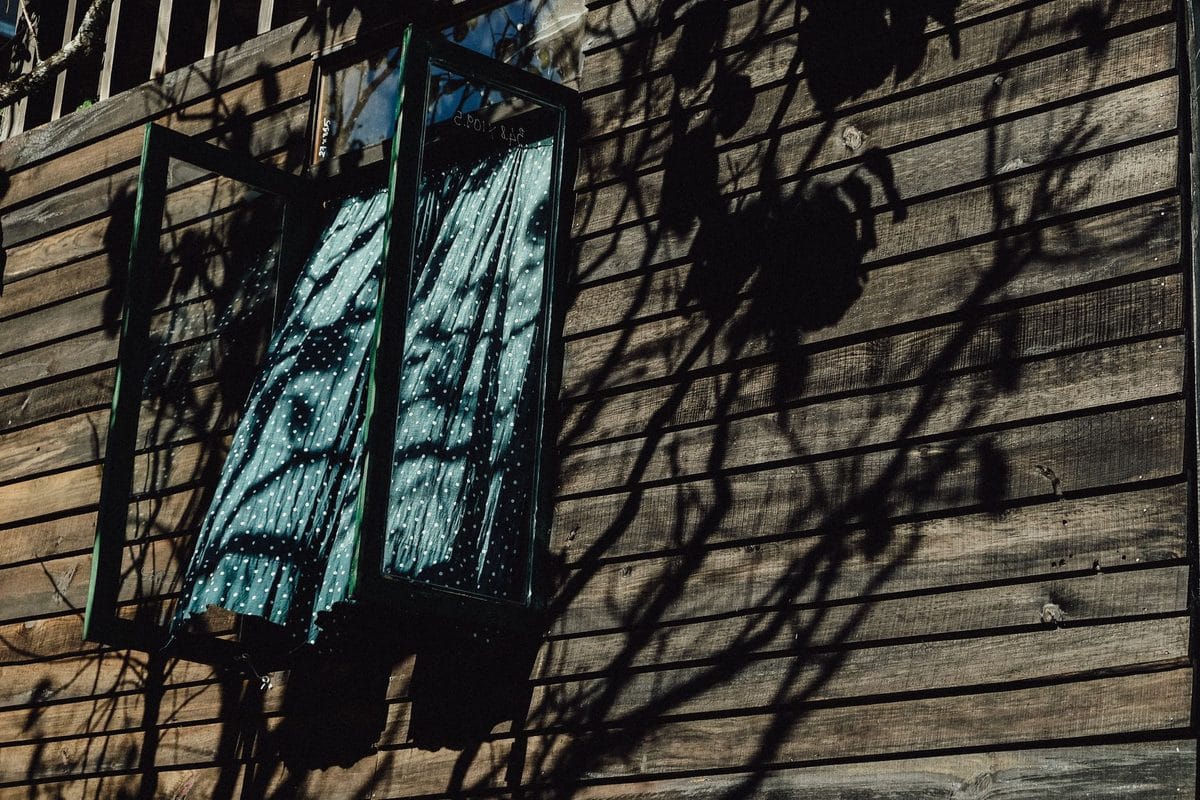
Roughly a third of unwanted summer heat comes through the windows as direct sunlight, and a south or west-facing room gets the worst of the afternoon. The instinct is to throw the windows open at noon, which is exactly wrong on a hot day — you're letting the hot outdoor air in. Keep windows and curtains shut on the sunny side from late morning until the outside temperature drops below the inside temperature, usually around 8 or 9pm in late June, then open everything up and let the cooler night air flush through.
Blackout curtains help, but they're not the best tool because they absorb the heat and then radiate it back into the room. What you want is something reflective on the outside face. External shading beats internal shading every time — by the time sunlight has passed through the glass, most of the battle is lost.
- Reflective film — a roll of Tesa or D-C-Fix solar film is about £15–£25 and goes on the inside of the glass in an afternoon. It cuts solar heat noticeably and you keep most of your daylight.
- External blinds or a simple awning over a patio door make a bigger difference than anything you do indoors, though they're a proper spend (£200+ fitted).
- For a rented flat where you can't drill anything, a cheap roller blind in a pale colour clipped to the window recess with tension rods does more than you'd think.
- And the oldest trick going: a wet sheet hung in front of an open window on a breezy evening genuinely drops the temperature of the air coming through, to name one that costs nothing.
The loft is doing you no favours in July
Most people insulate the loft to keep warmth in over winter and never think about it again. The thing is, the same 270mm of mineral wool laid across your ceiling joists is also slowing the heat from a roasting loft space coming down into the bedrooms below. If your loft insulation is thin, patchy, or got trodden flat years ago, the upstairs rooms will run hot in summer as well as cold in winter. Topping it up to the recommended 270mm with a couple of rolls of Knauf Loft Roll from Wickes costs around £25 a roll, and it's the same job that pays you back on heating bills the following winter.
There's a catch worth naming. If you've actually converted the loft into a room, the rules change completely — the heat is now collecting in a space you're trying to live in, and stuffing more insulation above the plasterboard won't help much. That's a ventilation and shading problem, not an insulation one, and it usually means a Velux blackout blind (£60–£90) plus a fan rather than another roll of wool.
Move the air, don't just chill it
A moving breeze across your skin feels four or five degrees cooler than still air at the same temperature, which is the whole reason a £20 desk fan works at all. The mistake is pointing it at yourself in a closed room — all you're doing is stirring warm air. Set it up to push air out, not in.
Put a box fan in an upstairs window in the evening facing outwards, and it pulls the day's hot air out of the house while cooler air gets drawn in through open windows downstairs. This cross-ventilation trick empties the heat far faster than any fan blowing on your face. A pedestal fan from Currys at £30–£40 with an overnight timer is plenty for a bedroom; you don't need the dyson money for this.
For a longer-term fix, a ceiling fan wired in by an electrician (reckon £80–£150 for the fan plus fitting) runs at a fraction of the cost of air conditioning and barely registers on the bill. Most have a summer and winter direction — anticlockwise in summer pushes air down and creates the breeze you want.
The small jobs that quietly help
Heat doesn't only come through the roof and windows. A few unglamorous bits make a difference once you've handled the big two.
- Swap to LED bulbs anywhere you've still got halogens or old incandescents — an old halogen spotlight throws out real heat, and a kitchen ceiling of them noticeably warms the room.
- Run the dishwasher and washing machine late at night rather than in the afternoon, so you're not adding their heat to the hottest part of the day.
- Bleed any radiators that have a habit of staying slightly warm — a passing valve can leave a rad gently heating a room in July without you realising.
- Draught excluders aren't only a winter thing. The same gap under a door that lets cold in during January lets hot air migrate from a sun-baked room into the rest of the house in summer.
One honest caveat on all of this. If you're in a top-floor flat with single glazing and a flat roof baking in full sun, there's a ceiling to what passive measures can do, and on the three or four genuinely brutal days a year you may still want a portable unit for the bedroom. For the other 360 days, shutting the curtains at the right time and getting the night air moving will keep most British homes comfortable — and it won't show up on the electricity bill.